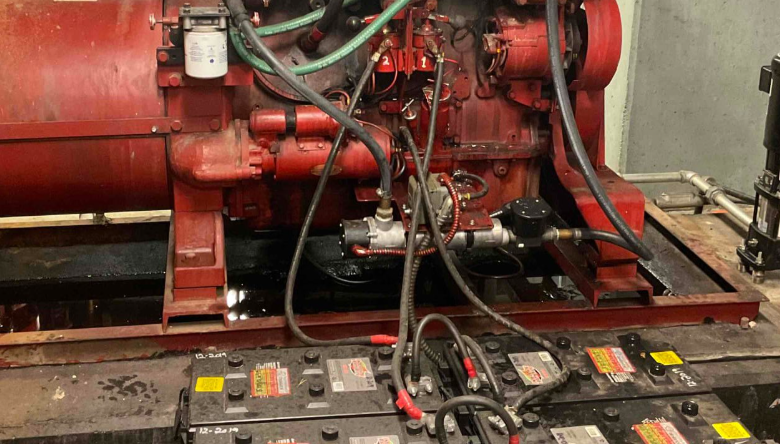
Generators can also be subjected to environmental factors in a manner that other machines are not. No matter whether the generator stands out in the open, in workshops, or in storage facilities, they can easily get exposed to environmental factors such as dust, rain, or changes in temperatures. Although these factors appear harmless at first, these aspects can easily affect the performance of the internal components of the generator.
Dust: The Silent Performance Killer
Dust is considered to be one of the most prevalent problems facing the reliability of generators. It accumulates in air filters, clogs the vents, and obstructs the passage of clean air into the engine. In most cases, when an engine lacks proper airflow, it has to work under greater strain, resulting in increased efficiency and overheating due to diminished airflow. Dust can easily seep into the fuel tank or fuel cap compartments when the surroundings are not cleaned regularly. In most cases, it affects combustion and performance. Regular cleaning of the generator and regular filter maintenance can prevent these factors.
Moisture and Humidity Build-Up
Moisture in the environment can also be considered to affect generators in large measure, especially in coastal environments or where there is plenty of rain in the geographical location or where the storage facilities lack proper ventilation. Water or moisture in such cases can cause corrosion and damage due to its reaction with metal or lead to fuel contaminants. Water or moisture in the fuel tank, although small in quantity, can cause issues like stalling or engine failure.
See also: Mistakes to Avoid When Setting Up Premium Audio Systems and How to Get It Right
Quality of Fuel and Long-Term Aftereffects
The type of fuel that powers a generator affects the performance of the machinery. For example, using low-quality fuel can cause carbon deposits and clog fuel injectors, in addition to reducing the power output. In addition, using low-quality fuel that contains contaminants such as dirt and water will affect the combustion process in the engine since the engine will struggle to ensure that it has stable combustion. In such cases, draining the fuel and keeping the fuel supplies and fuel cap area clean can help eliminate such issues.
Importance of Clean Filters
One of the most effective means of preventing damage to the generator due to environmental factors is to ensure that the filters for generators are always in the clearest condition. Air, fuel, and oil filters can be considered lines of defence against dust, water, or other contaminants. However, when these filters get clogged, the efficiency of the engine gets negatively impacted. Therefore, regular maintenance regarding replacing or cleaning filters can go a long way in taking care of the internal components of the generator. Using good filters in generators can help in achieving this.
To maintain performance at optimal level, there must first Environmental issues can’t always be prevented, but they can always be effectively managed. Regular maintenance, clean generator filters, proper fuel, and proper storage can ensure the long lifespan of the generator so that it can function in any weather or situation. It can function at its optimal level when small maintenance tasks are regularly performed rather than having to face repair jobs after the occurrence of any issue related to environmental factors such as dust, moisture, or fuel.