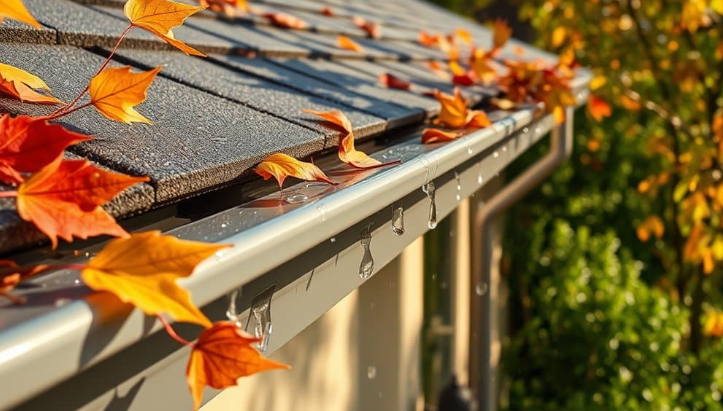
Fall brings cooler air, colorful trees, and the unmistakable sound of leaves crunching underfoot. While the season offers beautiful scenery, it also brings an important responsibility for homeowners: managing fallen leaves before they create problems around the property. Leaves piling up in the yard may seem harmless, but if ignored, they can impact everything from lawn health to roof durability.
A thoughtful fall maintenance routine keeps your yard tidy and helps prevent structural issues around the home. When leaves collect near the house or on the roof, they trap moisture, clog gutters, and increase the risk of damage as colder weather arrives.
Why Consistent Leaf Cleanup Matters for Homeowners
Many homeowners find that keeping up with leaf cleanup can quickly become overwhelming, especially when trees shed large amounts of foliage in a short time. As highlighted by Classy Grass Lawn Care, Landscape & Snow Removal, consistent fall leaf removal helps prevent buildup in areas that affect both landscaping and nearby structures. Clearing leaves regularly not only keeps the yard looking clean but also helps reduce the chances of debris reaching gutters, drainage systems, and the roof.
Leaf Buildup and Its Effect on Your Property
Leaves may look harmless scattered across the yard, but once they begin collecting near the house, they can lead to several issues. Understanding how they affect your property is the first step toward preventing long-term damage.
Moisture Buildup Near the Foundation
When wet leaves gather along the base of the home, they hold moisture against the structure. Over time, this damp environment can affect siding materials and contribute to mold growth.
Debris That Travels Up to the Roof
Leaves rarely stay in one place. Wind often pushes them onto driveways, patios, and eventually onto the roof itself. Once there, they can settle into valleys and corners where they begin to trap water.
Gutter Clogging and Water Overflow
Leaves that reach the roof frequently end up inside gutters. When gutters become clogged, water cannot flow properly through the drainage system, which may cause overflow during rainstorms.
The Connection Between Yard Leaves and Roof Damage
It may not be obvious at first, but what happens in your yard often affects what happens on your roof. Leaves left unattended on the ground eventually find their way into elevated areas of the home.
Wind Carries Debris Upward
Autumn winds can lift leaves from lawns and deposit them directly onto the roof. Once there, they often settle in roof valleys where water naturally flows.
Wet Leaves Create a Damp Environment
Leaves that remain on the roof after rain or morning dew tend to stay wet for long periods. This trapped moisture slowly affects roofing materials and can lead to deterioration over time.
Gutters Become the Final Destination
As rain washes debris downward, leaves collect inside gutters and downspouts. When these areas clog, water backs up and may seep under roofing materials.
Regular yard maintenance helps prevent these problems and can help protect your home from roof leaks by keeping gutters and roof valleys clear of leaves and debris. Maintaining a clean roof surface not only preserves the integrity of shingles and flashing but also makes inspections and preventive care easier for professional roofers. By addressing leaf accumulation promptly, homeowners can reduce the risk of water damage and extend the lifespan of their roofing system before winter storms arrive.
Fall Leaf Management Tips for a Healthy Yard and Roof
Keeping leaves under control does not require complicated equipment or constant effort. With the right strategy, homeowners can manage seasonal debris efficiently.
Rake Frequently Instead of Waiting
One of the most effective approaches is simple consistency. Raking leaves every few days during peak shedding season prevents overwhelming piles from forming.
Use Mulching Techniques
Mulching leaves with a lawn mower can help break them down into smaller pieces that decompose naturally and nourish the soil. This method works especially well when leaf layers are thin.
Focus on Areas Near the Home
Pay special attention to sections of the yard close to the house, garage, and patios. These areas are where leaves are most likely to travel upward toward the roof and gutters.
See also: Custom Home Builders Toronto — Expert Design and Build Services for Luxury Homes
Preventing Leaves From Reaching Your Roof
While it is impossible to stop leaves from falling entirely, homeowners can take several steps to limit how many reach the roof.
Trim Overhanging Branches
Tree branches that extend over the roof drop leaves directly onto shingles. Pruning these branches reduces the amount of debris that lands on the roof.
Maintain Healthy Trees
Healthy trees shed fewer damaged limbs and excessive debris. Routine pruning improves both tree health and overall yard cleanliness.
Create Clear Yard Zones
Keeping areas near the house free of leaf piles helps prevent wind from carrying debris upward during storms.
Seasonal Roof Maintenance Tips for Fall
Fall is the ideal time to inspect the roof and take care of minor maintenance tasks before winter arrives. Addressing small concerns now can prevent larger repairs later.
Clear Roof Valleys
Roof valleys collect the most debris because they guide rainwater toward gutters. Removing leaves from these areas ensures proper drainage.
Clean and Inspect Gutters
Gutters should always be cleaned after major leaf drops. This allows rainwater to flow freely and prevents backups that could damage the roof.
Look for Early Signs of Wear
While inspecting the roof, watch for loose shingles, dark spots, or areas where debris tends to accumulate. Catching these issues early makes repairs simpler and less expensive.
Consider Gutter Protection Systems
Installing gutter guards can significantly reduce the amount of debris entering the drainage system. This simple upgrade can make seasonal maintenance much easier.
Building a Simple Fall Yard Routine
The best way to prevent problems during autumn is to create a simple maintenance routine that fits your schedule.
Start by monitoring how quickly leaves accumulate in your yard. Some properties require weekly cleanup, while others may need attention more frequently during peak leaf drop.
Focus on clearing areas closest to the house first, then work outward across the yard. This approach reduces the chances of debris traveling back toward the home during windy conditions.
Finally, combine yard cleanup with quick roof and gutter checks throughout the season. Even a brief visual inspection can reveal areas where leaves are collecting.
A Clean Yard Helps Protect Your Home
Fall yard care is about more than keeping your property looking tidy. It also plays an important role in protecting your home from moisture, debris buildup, and drainage issues.
Leaves that are removed promptly cannot travel into gutters or settle on roofing materials. This simple step reduces the risk of water damage, clogged drainage systems, and premature roof wear.
With a little attention each week during the fall season, homeowners can maintain a healthy yard while supporting the long-term durability of their roof. Consistent leaf management today helps prevent expensive repairs tomorrow and keeps the entire property ready for the colder months ahead.