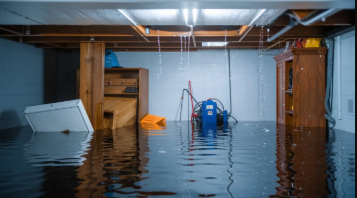
Basement flooding can happen quickly—from heavy rain, a failed sump pump, or a hidden crack in your foundation—and it can cost you time, belongings, and thousands in repairs. You can stop most basement floods by identifying common causes, acting fast when water appears, and using practical prevention measures like proper grading, functioning sump systems, and sealed foundation cracks.
This article breaks down why basements flood, how to respond safely and effectively when water shows up, and the prevention upgrades that actually reduce future risk. Expect clear, actionable steps you can use right away to protect your home and minimize damage.
Causes of Basement Flooding
You need to know the specific ways water enters and damages basements so you can prioritize fixes. Below are the primary causes, what to look for, and the most important actions you can take.
Heavy Rainfall and Poor Drainage
Heavy storms can overwhelm gutters, downspouts, and yard grading, pushing surface water toward your foundation. If downspouts discharge within 3–4 feet of the house or gutters overflow, water pools next to foundation walls and increases the chance of seepage through joints or low spots.
Check that gutters are clear, downspouts extend at least 4–6 feet from the foundation, and the ground slopes away from your home by at least 1 inch per foot for the first 6–10 feet. Consider installing catch basins or a French drain where surface runoff concentrates. During extreme rainfall, municipal storm systems can back up; a backflow valve on interior drains prevents sewer surges from flooding the basement.
Foundation Cracks and Structural Issues
Cracks in foundation walls or floors let groundwater and surface water penetrate directly into the basement. Hairline cracks admit slow seepage and promote mold, while larger cracks and voids can allow rapid flooding and compromise structural integrity.
Inspect interior and exterior concrete for vertical, horizontal, or stair-step cracks, and mark any changes. Small, non-moving cracks can be sealed with epoxy or polyurethane injections; active or large cracks require a structural engineer’s assessment. Waterproofing membranes and exterior excavation with proper drainage improve long-term resistance to hydrostatic pressure that forces water through foundation defects.
Plumbing Failures
Broken or frozen pipes, failed appliance hoses, and clogged floor drains often cause sudden basement flooding. Washing machine hoses and water heater connections are frequent culprits; a single hose rupture can release dozens of gallons in minutes.
Replace old rubber hoses with stainless-steel braided lines and install automatic shutoff valves on appliances where possible. Routinely test visible plumbing for corrosion, listen for continuous running water, and clear slow or blocked floor and sink drains. Keep major shutoff valves accessible and label them so you can stop water flow quickly when a leak occurs.
Sump Pump Malfunctions
A sump pump prevents accumulation of groundwater in a sump pit, but failure during peak water events leads directly to basement flooding. Common failure modes include power outages, clogged intakes, stuck float switches, and undersized pumps that can’t handle heavy inflow.
Maintain a battery backup or a generator for the pump, test the pump monthly by pouring water into the pit, and clean the sump basin of debris and sediment. Confirm the pump’s capacity (gallons per minute) matches local groundwater conditions, and install a high-water alarm to warn you before overtopping occurs.
Prevention and Solutions for Basement Flooding
Focus on directing water away from your foundation, sealing entry points, and adding mechanical backups. Prioritize cost-effective fixes first: gutters, grading, and targeted sealants, then add systems like sump pumps and flood vents as needed.
Waterproofing Techniques
Apply a combination of exterior and interior waterproofing for best results. On the exterior, excavate to the footing when practical, clean the wall, apply a polymer-modified waterproof membrane, and install a rigid drainage board to protect the membrane from backfill damage. Add a perimeter drainage pipe (weeping tile) at the footing sloped to a daylight outlet or sump.
Inside, use hydraulic cement to stop active leaks at cracks and joints. Install an interior drainage channel (wall-to-floor) that routes water to a sump basin and pump. For concrete walls, apply cementitious or crystalline waterproofing coatings where excavation isn’t feasible.
Document materials, warranty, and installer credentials before major exterior work. For partial budgets, prioritize interior drain + sump pumping, then plan exterior membrane work later.
Proper Grading and Landscaping
Ensure the soil around your home slopes away at least 5% for the first 10 feet (roughly 6 inches drop over 10 feet). Regrade low spots, add topsoil where needed, and compact it to prevent settling over time.
Keep gutters and downspouts clear and extend downspouts at least 4–6 feet from the foundation using rigid extenders or buried piping. Avoid planting beds directly against the foundation; use shallow-rooted plants and maintain a mulch-free strip near the wall to inspect cracks.
Install a rain garden or dry well at a distance from the house to capture excess runoff if your lot drains poorly. If you use retaining walls, add proper drainage (perforated pipe and gravel) behind them to relieve hydrostatic pressure on the foundation.
Routine Maintenance Practices
Inspect your basement and exterior twice a year—spring and fall—and after heavy storms. Check for hairline cracks, efflorescence, damp spots, or musty odors; document changes with photos and dates.
Clean gutters and downspouts monthly during leaf fall. Test your sump pump by pouring water into the basin and confirm the float and check valve function. Replace the sump pump every 5–7 years or sooner if performance drops.
Seal visible cracks with polyurethane injection or hydraulic cement depending on whether the crack is active. Maintain any interior drain channels and keep the discharge line clear; install a strainer to prevent debris clogging. Keep appliance hoses and plumbing fittings inspected and replaced on schedule.
See also: business phone customer number
Installing Backup Systems
Install a battery-backed or water-powered backup for your primary sump pump to handle power outages. Choose a battery backup sized to run the pump motor for the expected duration of outages, and test it monthly.
Add a secondary sump pump in a separate basin if your home has high flood risk or frequent heavy storms. Fit both pumps with high-water alarms that send alerts or sound locally.
Consider installing automatic water shutoff valves for main water lines and smart leak sensors near appliances, sump basins, and low points. Connect critical sensors to a monitored alarm or smart home app so you receive immediate notifications and can act quickly.