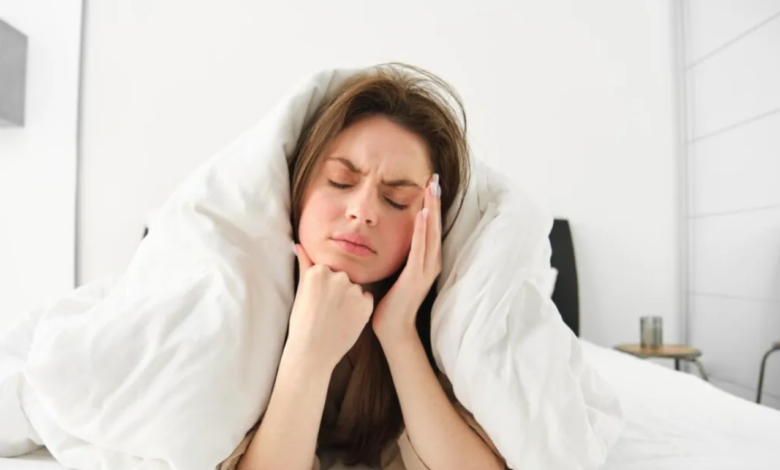
Waking up with a tight jaw, dull headache, or sensitive teeth? These can be early symptoms of sleep bruxisma condition involving nighttime teeth grinding and jaw clenching that often occurs without your awareness. Recognizing the warning signs early can help protect your teeth, reduce discomfort, and improve overall sleep quality.
What Is Sleep Bruxism?
Sleep bruxism is the involuntary grinding of teeth or clenching of the jaw during sleep. Classified as a sleep-related movement disorder, it affects both adults and children. Because it happens while you’re asleep, many people only become aware of the condition after symptoms develop or a partner notices grinding sounds during the night.
Why Sleep Bruxism Matters
Left unmanaged, sleep bruxism can lead to a variety of oral health and quality-of-life concerns, including:
- Excessive tooth wear and enamel loss
- Chipped, cracked, or fractured teeth
- Jaw muscle fatigue and discomfort
- Headaches and facial pain
- Increased strain on the temporomandibular joint (TMJ)
- Disrupted sleep for both the individual and their partner
Early identification and treatment can help prevent more extensive dental problems and costly restorative procedures.
This guest post was contributed by the team at Orion Dental, a family and cosmetic dental clinic serving patients in Milton, Ontario and Scarborough. Their approach to bruxism focuses on prevention, comfort, and long-term oral health.
Common Symptoms of Sleep Bruxism
Many symptoms are most noticeable upon waking. Common signs include:
- Morning jaw soreness or stiffness
- Tension-type headaches, particularly around the temples
- Ear discomfort or pressure without signs of infection
- Increased tooth sensitivity to cold, sweets, or brushing
- Flattened, chipped, or cracked teeth
- Worn enamel or shiny spots on chewing surfaces
- Cheek ridges caused by biting the inside of the cheeks
- Scalloped or wavy edges along the tongue
- Clicking, popping, or tenderness in the jaw joint, which may indicate an underlying TMJ disorder that can contribute to jaw discomfort and limited movement.
- Reports from a sleep partner of grinding or squeaking sounds
How Symptoms Differ Between Adults and Children
Adults
Adults commonly experience:
- Jaw tightness and muscle fatigue
- Morning headaches
- Cracked or worn teeth
- Symptoms that worsen during stressful periods
Children
Children may present differently and can show:
- Noticeable tooth wear
- Mouth breathing
- Enlarged tonsils
- A history of bedwetting
- Associations with attention-related concerns
Many children naturally outgrow bruxism, but ongoing monitoring is important when symptoms persist.
What Causes Sleep Bruxism?
Sleep bruxism is usually caused by a combination of factors rather than a single trigger.
Stress and Anxiety
Emotional stress is one of the most common contributors, increasing muscle tension during sleep.
Sleep Disorders
Conditions such as obstructive sleep apnea (OSA), snoring, and fragmented sleep are frequently associated with nighttime grinding.
Lifestyle Factors
Several lifestyle habits may increase risk, including:
- High caffeine intake
- Alcohol consumption
- Tobacco use
- Certain medications, including some antidepressants
Muscle and Pain Feedback Loops
Jaw, neck, and facial discomfort can contribute to continued clenching and grinding behaviors.
Genetics
Research suggests that bruxism may run in families, indicating a possible genetic component.
How Dentists Diagnose Sleep Bruxism
Diagnosis generally begins with a review of symptoms and a comprehensive dental examination.
A dentist may evaluate:
- Tooth wear patterns
- Chipped or cracked enamel
- Gum recession
- Jaw muscle tenderness
- TMJ function
- Sleep history and symptoms
Questions may include:
- Do you wake with headaches?
- Has anyone heard you grinding your teeth?
- Do you snore or experience daytime sleepiness?
When necessary, additional steps may include:
- Monitoring tooth wear through photos or scans
- Fitting a custom night guard
- Referring patients for a sleep study if sleep apnea is suspected
Treatment Options for Sleep Bruxism
There is no single cure for sleep bruxism, but several strategies can effectively reduce symptoms and prevent damage.
1. Protecting the Teeth
Custom-made night guards, also known as occlusal splints, are commonly recommended for patients experiencing sleep bruxism and ongoing nighttime teeth grinding.
Benefits include:
- Protecting enamel from wear
- Reducing pressure on teeth
- Minimizing the risk of fractures
Professionally fitted appliances are generally more comfortable and effective than over-the-counter alternatives.
2. Relieving Jaw Muscle Tension
Supportive treatments may include:
- Warm compresses
- Gentle stretching exercises
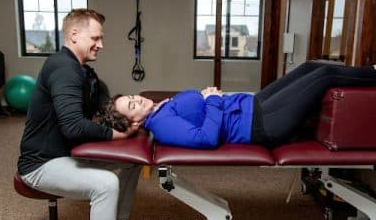
- Physical therapy
- Temporary anti-inflammatory medications when appropriate
Patients are often advised to avoid excessive gum chewing and other habits that strain jaw muscles.
3. Managing Stress
Stress reduction can play an important role in minimizing grinding episodes.
Helpful strategies include:
- Consistent sleep routines
- Mindfulness practices
- Cognitive behavioral therapy (CBT)
- Breathing exercises
- Regular physical activity
4. Addressing Sleep Disorders
If sleep apnea or another sleep disorder is contributing to bruxism, treating the underlying condition may significantly reduce grinding episodes.
5. Restoring Damaged Teeth
In cases of severe tooth wear or fractures, restorative procedures such as bonding, onlays, or crowns may be recommended to rebuild tooth structure.
Prevention and Self-Care Tips
The following habits may help reduce the likelihood or severity of sleep bruxism:
- Maintain a consistent sleep schedule
- Aim for 7–9 hours of quality sleep each night
- Establish a screen-free bedtime routine
- Practice jaw relaxation exercises
- Limit caffeine and alcohol in the evening
- Manage stress proactively
- Wear a prescribed night guard if recommended by your dentist
When Should You See a Dentist?
Schedule an evaluation if you experience:
- Frequent morning headaches
- Persistent jaw pain or stiffness
- Tooth sensitivity that develops without an obvious cause
- Visible tooth wear, cracks, or chips
- Broken fillings or restorations
- Reports of nighttime grinding from a sleep partner
- Symptoms of sleep apnea, such as snoring or excessive daytime fatigue
Early assessment can help prevent more extensive dental damage and improve overall comfort.
Key Takeaways
- Sleep bruxism involves involuntary nighttime grinding and clenching.
- Common symptoms include jaw pain, headaches, tooth sensitivity, and enamel wear.
- Treatment often combines tooth protection, muscle relief, stress management, and sleep evaluation.
- Early diagnosis can prevent significant damage to teeth and supporting structures.
- Custom night guards remain one of the most effective tools for protecting teeth from grinding-related wear.
See also: Wearable Technology Innovations in Healthcare
Frequently Asked Questions
What is the difference between sleep bruxism and TMJ disorder?
Sleep bruxism is the habit of grinding or clenching the teeth, while TMJ disorder refers to dysfunction of the jaw joints and surrounding muscles. Bruxism can contribute to TMJ symptoms, but the two conditions are not the same.
Can stress alone cause nighttime teeth grinding?
Stress is a major contributing factor, but sleep quality, medications, alcohol consumption, caffeine, and sleep disorders may also play important roles.
Do children outgrow sleep bruxism?
Many children stop grinding their teeth as they grow. However, persistent symptoms should be monitored by a dental professional.
Will a night guard stop grinding completely?
Night guards primarily protect teeth from damage. While they may reduce strain on the jaw, they do not eliminate the underlying habit.
Is sleep bruxism linked to sleep apnea?
Research has identified an association between sleep bruxism and obstructive sleep apnea in some individuals. If symptoms such as snoring or excessive daytime fatigue are present, further sleep evaluation may be beneficial.
About This Guest Post
This article was prepared as a guest contribution by Orion Dental, a trusted family and cosmetic dental clinic serving patients in Milton, Ontario and Scarborough. The information provided is intended for educational purposes and should not replace individualized advice from a qualified dental professional.
Conclusion
Understanding the symptoms of sleep bruxismsuch as morning jaw pain, headaches, tooth sensitivity, and enamel wearcan help you seek care before significant damage occurs. With a personalized treatment plan that may include a custom night guard, stress management strategies, and evaluation of sleep-related factors, most people can successfully protect their teeth and reduce discomfort over the long term.