Your Dentist Didn’t Recommend a DIY Bonding Kit: Here’s Why Composite Bonding Still Belongs in a Clinic

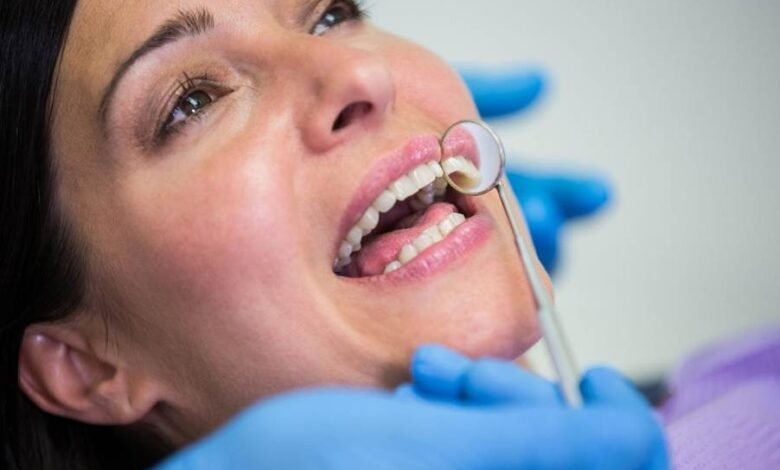
Open TikTok for more than a minute and you’ll likely see two very different versions of the same treatment. One shows a dentist carefully building up a chipped tooth with composite bonding, smoothing and shaping it under proper lighting. The other shows someone gluing a home kit onto a cracked tooth over the festive break because their dentist is closed. Both get called bonding. Only one of them is composite bonding as a dentist would recognise it.
What Composite Bonding Actually Is
Composite bonding is a treatment where a dentist applies a tooth-coloured resin directly onto your natural tooth, then shapes and polishes it to blend in. It’s used to fix small chips, close minor gaps or adjust the shape of a tooth without removing much of your natural enamel. Unlike veneers, composite bonding doesn’t require your tooth to be filed down first, which is one reason it’s grown so popular over the past few years.
A single tooth can often be treated in one appointment. For several teeth, your dentist will usually plan the shape and proportions carefully before starting, rather than working tooth by tooth without a wider plan.
Why The Online Version Looks So Simple
Social media has made composite bonding look effortless. Short clips compress an hour of careful shade matching and shaping into fifteen seconds of smoothing and polishing. What doesn’t make it into the video is the assessment beforehand, checking your bite, your gum health and whether bonding is even the right option for what you want to fix.
That gap between the online version and the real treatment is exactly where home kits have found an opening. If composite bonding looks this simple on screen, it’s easy to assume a temporary fix from a kit bought online is much the same thing. It isn’t.
See also: Wearable Technology Innovations in Healthcare
Why Home Kits Aren’t The Same Treatment
Home bonding kits are marketed as a quick, temporary patch for a chipped or cracked tooth. The materials used are not the same as the resin a dentist works with and they aren’t matched to your natural tooth colour or bite. Applied without training, they can trap bacteria against the tooth surface, sit unevenly against your gum line or interfere with how your teeth meet when you chew.
Composite bonding done by a dentist involves matching the resin to your exact tooth shade, layering it to mimic natural translucency and checking your bite afterwards so the tooth feels right when you eat. None of that happens with a kit applied at home in front of a mirror.
What To Expect From A Proper Appointment
A good composite bonding appointment starts with a conversation, not a procedure. Your dentist should look at your teeth and gums, ask what you’re hoping to change, and explain honestly whether bonding will get you there or whether another option suits your teeth better.
During treatment, the surface of the tooth is gently prepared, the resin is applied in thin layers and each layer is hardened with a curing light before the next is added. The final step is shaping and polishing so the repaired tooth catches light the same way your natural teeth do.
Composite bonding isn’t permanent. It lasts several years depending on how you look after it, and it can chip or stain if you bite into very hard foods or drink a lot of strongly coloured tea and coffee without care. Your dentist can talk you through how to look after it properly at your check-up.
Why It’s Worth Asking Questions First
Before booking composite bonding anywhere, ask how many teeth are being treated, how the shade will be matched and what happens if a repair needs adjusting later. A practice that welcomes these questions, rather than rushing you into booking, is one that takes the treatment seriously.
A family-run Stockport practice such as Ivy Dental tends to build this kind of conversation into every consultation, since composite bonding only looks natural when it’s planned properly from the start.
Final Thoughts
Composite bonding has earned its popularity for good reason. It’s a gentle way to improve small chips, gaps or uneven edges without cutting into healthy tooth structure. What it hasn’t earned is a reputation as something you can safely do yourself between dentist visits. If you’re considering composite bonding, book a proper consultation, ask questions and let a trained dentist handle the resin, the shade matching and the bite check that makes the result last.