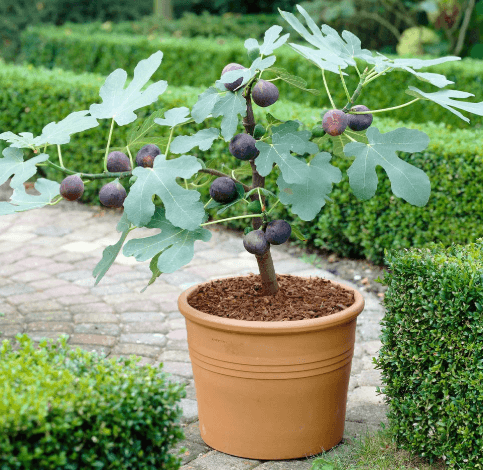
Few indoor plants make as strong a visual statement as a well-established ficus tree. With its full, glossy foliage and impressive height, a mature ficus tree for sale offers instant impact for homes, offices, hotels, and commercial spaces , without the years of patient growing required to reach that size from a young sapling. But sourcing a healthy, well-shaped mature ficus requires a bit more knowledge than picking up a small starter plant.
This guide covers everything buyers should know when searching for a mature ficus tree, from understanding the different varieties available to evaluating plant health and planning for successful long-term care.
Why Choose a Mature Ficus Tree?
Ficus trees are among the most popular indoor tree species worldwide, prized for their attractive, dense foliage and relatively adaptable nature compared to many other large indoor plants. Choosing a mature specimen rather than starting with a young plant offers several distinct advantages.
Immediate Visual Impact
A mature ficus tree provides instant height, fullness, and presence in a space , ideal for buyers who want to create an impressive focal point without waiting years for a young plant to reach a similar size.
Established Root and Branch Structure
Mature ficus trees typically have well-developed root systems and branch structures that have already been shaped through years of careful pruning and cultivation, resulting in a more balanced, aesthetically pleasing form than a younger plant still developing its shape.
Faster Return on Investment for Commercial Spaces
For businesses such as hotels, offices, or retail spaces looking to enhance their interior design quickly, mature ficus trees offer immediate design impact, making them a popular choice for commercial interior landscaping projects with tight installation timelines.
Popular Ficus Varieties Available as Mature Trees
Several ficus species are commonly cultivated and sold as mature specimens, each with distinct characteristics suited to different design preferences and care requirements.
- Ficus Benjamina (Weeping Fig) – Known for its graceful, drooping branches and fine, glossy leaves; one of the most popular indoor ficus varieties
- Ficus Lyrata (Fiddle Leaf Fig) – Recognized for its large, violin-shaped leaves and bold, sculptural presence, extremely popular in modern interior design
- Ficus Elastica (Rubber Plant) – Valued for its thick, deep green leaves and relatively low maintenance requirements
- Ficus Microcarpa (Ginseng Fig) – Often shaped into bonsai-style forms with distinctive, thick aerial roots
- Ficus Retusa – Popular for its compact, bushy growth habit, frequently used in both indoor and bonsai applications
Each variety offers a different aesthetic and care profile, making it important for buyers to select a species that aligns with both their design goals and their ability to provide appropriate ongoing care.
What to Look for When Evaluating a Mature Ficus Tree
Because mature ficus trees represent a more significant investment than smaller starter plants, careful evaluation before purchase is especially important.
Foliage Density and Color
Healthy ficus trees should display dense, evenly distributed foliage with consistent green coloration throughout. Sparse patches, yellowing leaves, or significant leaf drop can indicate stress, disease, or inadequate care during cultivation.
Trunk and Branch Structure
A well-shaped mature ficus should have a balanced, proportionate structure without significant lean, damage, or unevenly distributed branching that could indicate past growth or care issues.
Root Health and Stability
While root systems aren’t always fully visible before purchase, buyers should ask about root health, ensure the tree is stable and well-anchored in its container, and check for any signs of root-bound stress, such as roots visibly circling at the soil surface.
Signs of Pests or Disease
Careful visual inspection for common ficus pests, such as scale insects or spider mites, as well as any signs of fungal issues, helps ensure buyers aren’t introducing problems into their space along with the tree.
Mature Ficus Variety Comparison
The table below compares popular ficus varieties across key characteristics relevant to buyers evaluating mature trees.
| Ficus Variety | Growth Habit | Light Requirements | Best Suited For |
| Ficus Benjamina | Graceful, weeping branches | Bright, indirect light | Homes, offices, hotel lobbies |
| Ficus Lyrata | Bold, upright, large leaves | Bright, indirect light | Modern interiors, statement pieces |
| Ficus Elastica | Thick, upright growth | Moderate to bright light | Low-maintenance commercial spaces |
| Ficus Microcarpa | Compact, sculptural form | Bright, indirect light | Bonsai-style displays, entryways |
| Ficus Retusa | Bushy, compact growth | Bright, indirect light | Smaller spaces needing fuller presence |
This comparison can help buyers narrow down which ficus variety best matches their specific space, lighting conditions, and design objectives.
Sourcing Considerations for Mature Trees
Because mature ficus trees are larger, heavier, and more delicate than smaller plants, sourcing and delivery logistics deserve special attention. Buyers should confirm details such as:
- Delivery and transport methods appropriate for large, mature plants
- Any acclimatization guidance provided by the seller for transitioning the tree to its new environment
- Return or replacement policies specific to larger, higher-value plant purchases
- Whether the seller provides care instructions tailored to the specific ficus variety purchased
Given the higher investment involved, working with an experienced seller who can provide clear guidance on transport and acclimatization significantly reduces the risk of transplant shock or stress-related decline after purchase.
Placement and Care Considerations After Purchase
Once a mature ficus tree arrives, proper placement and care are essential to help it thrive in its new environment. Most ficus varieties prefer bright, indirect light and consistent watering practices, avoiding both overwatering and prolonged dry periods.
It’s also common for ficus trees to experience some leaf drop shortly after being moved to a new location, as they adjust to different light and humidity conditions. This is generally a normal, temporary response rather than a sign of serious health issues, provided the tree receives appropriate care during the acclimatization period.
Commercial vs. Residential Buying Considerations
Buyers purchasing for commercial spaces, such as offices or hospitality venues, often have different priorities than residential buyers, including considerations around bulk purchasing for multiple locations, delivery scheduling around business operations, and selecting varieties known for resilience in lower-light commercial environments.
Residential buyers, by contrast, may place greater emphasis on matching a specific aesthetic vision for their home and may have more flexibility around delivery timing and placement experimentation within their space.
Final Thoughts
Finding the right mature ficus tree involves more than simply selecting an attractive specimen , it requires understanding variety-specific characteristics, carefully evaluating plant health, and planning for proper transport and care after purchase. Given the significant investment a mature tree represents compared to smaller starter plants, taking the time to evaluate these factors carefully pays off in long-term plant health and satisfaction.
When searching for a mature ficus tree for sale, working with an experienced grower who can speak knowledgeably about variety selection, plant health, and proper care ultimately provides the confidence needed to make a strong, lasting investment in this popular and visually striking indoor tree.