The construction industry in the United States is moving through a major transformation in 2026. Contractors, builders, subcontractors, and material suppliers are all dealing with new challenges that did not exist at this level a few years ago. Rising material costs, labor shortages, stricter environmental rules, and project delays have forced companies to change the way they work. At the same time, new technology and smarter planning methods are helping businesses stay competitive.
Across the country, construction companies are now focusing more on speed, accuracy, and long-term planning. Large commercial projects, housing developments, public infrastructure work, and industrial construction all depend on better coordination between suppliers and contractors. Companies that can adapt to these changes are seeing stronger profits and better project delivery times.
One of the biggest trends shaping the industry in 2026 is the rise of smart supply chain management. Material suppliers are using digital systems to track inventory in real time, while contractors are using advanced scheduling tools to avoid waste and delays. This shift is not just improving project efficiency. It is also helping companies reduce financial risks during uncertain market conditions.
The construction industry has always depended on timing. A project can slow down quickly if steel, concrete, lumber, or electrical materials arrive late. In the past, contractors often relied on manual tracking systems, phone calls, and spreadsheets. Those methods still exist, but they are no longer enough for modern projects that involve tight schedules and large budgets.
Today, many construction firms are investing in digital supply platforms that connect suppliers, contractors, project managers, and field teams in one system. These tools allow businesses to monitor deliveries, compare pricing, and manage purchase orders more effectively. As a result, contractors can make better decisions before problems become expensive.
Why Supply Chain Problems Became a Major Issue
The supply chain disruptions that started earlier in the decade continued to affect the construction market for several years. Even though conditions have improved in 2026, contractors still remember the financial damage caused by sudden material shortages and unstable pricing.
Steel prices changed rapidly in many states during the last few years. Lumber costs also experienced major swings because of transportation delays and high demand in residential construction. Electrical equipment and HVAC systems faced long waiting periods because manufacturers struggled to meet demand.
For contractors, these delays created serious risks. Some projects missed deadlines, while others exceeded budgets. Material suppliers also faced pressure because customers expected fast delivery even when manufacturers were behind schedule.
This situation pushed the industry toward smarter planning methods. Companies learned that they could no longer depend on outdated systems. Better forecasting and stronger communication became necessary for survival.
In 2026, contractors are paying closer attention to procurement strategies than ever before. Many companies now order materials earlier in the project cycle to avoid shortages later. Some contractors are also working with multiple suppliers instead of depending on only one source.
Material suppliers are changing as well. Warehouses are using automated inventory tracking systems to reduce errors and improve delivery times. Suppliers are also offering online ordering platforms where contractors can check stock availability instantly.
These improvements may seem simple, but they save valuable time on large projects. A delay of even one day can create major scheduling problems when several subcontractors are working at the same site. Faster communication between suppliers and contractors reduces confusion and helps projects move smoothly.
Technology Is Reshaping Construction Operations
Technology is now one of the most important drivers of growth in the construction industry. Contractors are using software tools not only for design and scheduling but also for budgeting, labor management, safety tracking, and equipment monitoring.
Cloud-based project management systems have become common in 2026. These systems allow teams to share information instantly from offices, warehouses, and job sites. Project managers can monitor schedules in real time and respond quickly when problems appear.
Drones are also being used more frequently for site inspections and progress tracking. Instead of spending hours manually checking large projects, contractors can use drone images to monitor work more efficiently. This saves time and improves safety because workers do not need to enter dangerous areas as often.
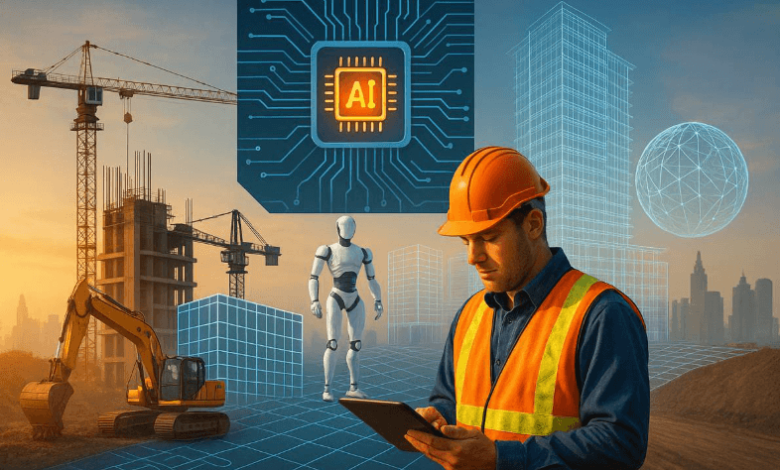
Artificial intelligence is becoming another useful tool for contractors and suppliers. AI systems can analyze project schedules, weather conditions, labor availability, and historical data to predict possible delays. This helps companies prepare for risks before they become serious.
Many businesses are also using data analysis tools to improve purchasing decisions. By studying market trends, contractors can better understand when to buy certain materials. Suppliers can also use data to predict future demand and maintain proper inventory levels.
The Role of Estimating in Modern Construction Projects
Accurate estimating has become more important than ever because construction costs continue to change rapidly. Contractors who underestimate project costs can face serious financial problems. At the same time, bids that are too high may lose competitive opportunities.
Because of these challenges, many contractors are now relying on professional construction estimating services to improve bid accuracy and reduce financial uncertainty. These services help contractors analyze labor costs, material pricing, equipment expenses, and project timelines with greater precision.
Modern estimating tools are much more advanced than traditional methods. Instead of using only manual calculations, contractors can now use digital estimating software connected directly to supplier databases and market pricing systems. This allows estimates to reflect current material costs more accurately.
Material suppliers also benefit from accurate estimates because contractors can place better planned orders. When project quantities are estimated correctly, suppliers can manage inventory more efficiently and avoid unnecessary shortages.
Estimating accuracy has become especially important for public infrastructure projects funded by government programs. These projects often involve strict budget controls and detailed reporting requirements. Contractors who provide reliable estimates are more likely to win bids and maintain long-term business relationships.
Sustainability Is Influencing Material Choices
Environmental concerns are becoming a larger part of construction planning across the United States. Many cities and states are introducing stricter energy efficiency standards for residential and commercial buildings.
As a result, contractors and suppliers are seeing increased demand for sustainable construction materials. Recycled steel, low-carbon concrete, energy-efficient insulation, and environmentally friendly roofing systems are becoming more common in new projects.
Developers are also focusing more on green building certifications because many clients now expect environmentally responsible construction practices. Sustainable buildings can reduce long-term operating costs while improving energy performance.
Material suppliers are responding by expanding product lines that meet environmental standards. Some suppliers are also investing in cleaner transportation systems and more efficient warehouses to reduce their carbon footprint.
This shift is creating new opportunities for contractors who understand sustainable construction methods. Companies that can adapt to changing environmental requirements are likely to remain competitive as regulations continue to evolve.
Labor Shortages Continue to Challenge the Industry
One of the biggest ongoing problems in the construction industry is the shortage of skilled labor. Many experienced workers are retiring, while fewer younger workers are entering the trades.
This issue affects nearly every part of the industry, including electrical work, plumbing, concrete installation, welding, roofing, and heavy equipment operation. Contractors often struggle to find enough qualified workers to complete projects on schedule.
Labor shortages increase costs because contractors may need to pay higher wages or overtime rates. Delays caused by staffing problems can also affect relationships with clients and suppliers.
To address this issue, many companies are investing in workforce training programs. Trade schools and apprenticeship programs are receiving more attention as the industry tries to attract younger workers.
Technology is also helping reduce some labor pressures. Automated equipment, prefabrication methods, and digital project management systems allow companies to complete certain tasks with fewer workers.
Prefabrication has become especially popular in 2026. Instead of building every component on-site, contractors can assemble sections of buildings in controlled factory environments. These sections are then transported to job sites for installation.
This method improves quality control and reduces weather-related delays. It also helps companies use labor more efficiently because factory conditions are often more predictable than outdoor construction sites.
See also: Wearable Technology Innovations in Healthcare
The Growth of Infrastructure Projects in the United States
Federal and state governments continue to invest heavily in infrastructure projects across the country. Roads, bridges, airports, water systems, energy facilities, and public transportation networks are receiving major upgrades.
These projects are creating strong demand for contractors and material suppliers. Large infrastructure programs require enormous quantities of concrete, steel, asphalt, piping, electrical equipment, and heavy machinery.
For suppliers, infrastructure spending provides long-term business opportunities. However, it also creates pressure to maintain consistent inventory and reliable delivery schedules.
Contractors working on public projects must manage strict deadlines and regulatory requirements. Delays can lead to penalties and increased costs, which is why accurate planning has become essential.
Many firms are now using advanced scheduling software to coordinate infrastructure projects more effectively. These systems help managers monitor labor, equipment, and material usage in real time.
Infrastructure projects also encourage regional economic growth. New transportation systems and utility upgrades often attract additional private development, creating even more construction activity in surrounding areas.
The Housing Market Remains Active
Residential construction continues to play an important role in the U.S. economy in 2026. Population growth and housing demand are pushing developers to build more apartments, townhomes, and single-family houses in many regions.
At the same time, affordability remains a concern for buyers and renters. Rising land prices, material costs, and labor expenses make it difficult to control housing costs.
Builders are responding by using more efficient construction methods and alternative materials. Modular construction and prefabricated housing systems are gaining attention because they can reduce waste and shorten project timelines.
Material suppliers are also adjusting their operations to support residential growth. Faster delivery systems and local distribution centers help contractors complete projects more efficiently.
Homebuyers are increasingly interested in smart homes and energy-efficient designs. Features such as solar panels, smart lighting systems, and high-efficiency HVAC equipment are becoming more common in new developments.
This trend creates opportunities for suppliers who specialize in modern building technologies. Contractors who understand these systems can also offer more value to clients looking for advanced residential features.
Risk Management Is Becoming a Priority
Construction projects involve many risks, including weather delays, cost increases, labor shortages, and safety concerns. In 2026, contractors are focusing more heavily on risk management strategies to protect profits and maintain stable operations.
Insurance costs have increased for many construction firms because projects are becoming more complex and expensive. As a result, companies are paying closer attention to safety programs and compliance standards.
Digital safety monitoring tools are becoming more common on construction sites. Wearable technology, smart helmets, and mobile reporting systems help managers identify potential hazards quickly.
Cybersecurity is also becoming important because more construction operations depend on digital systems. Contractors and suppliers store large amounts of project data online, making them potential targets for cyberattacks.
To reduce financial risks, many companies are strengthening contract management processes and improving communication with suppliers. Clear agreements and accurate project documentation help avoid disputes and unexpected costs.
Some firms are also using professional construction cost estimating services to gain better control over budgeting and financial forecasting during complex projects. More accurate cost planning helps contractors avoid surprises that could reduce profitability.
Regional Growth Patterns Across the United States
Construction activity is growing at different rates across the country. Southern and southwestern states continue to experience strong population growth, creating demand for housing, infrastructure, and commercial buildings.
Texas, Florida, Arizona, and North Carolina remain active construction markets because businesses and residents continue moving into these regions. Industrial development is also increasing in several states due to manufacturing expansion and data center construction.
Data centers are becoming a major source of construction demand in 2026 because technology companies need additional facilities to support cloud computing and artificial intelligence operations.
These projects require specialized materials, advanced cooling systems, and large electrical installations. Contractors and suppliers working in this sector often need highly skilled labor and precise project coordination.
Renewable energy projects are also creating construction opportunities in many states. Solar farms, battery storage facilities, and wind energy projects require extensive site preparation and infrastructure support.
Suppliers who can provide specialized materials for energy projects are seeing strong business growth. Contractors involved in renewable energy construction are also gaining experience in rapidly expanding markets.
The Future of Construction Supply Chains
The construction supply chain will continue evolving as technology improves and market conditions change. Companies that invest in better planning systems and stronger supplier relationships are likely to perform better over the long term.
Digital tracking systems, automated warehouses, and predictive analytics will become more common across the industry. Contractors and suppliers who resist these changes may struggle to compete in increasingly complex markets.
Partnerships between contractors and suppliers are also becoming more strategic. Instead of focusing only on price, many companies now value reliability, communication, and long-term collaboration.
Sustainability, workforce development, and infrastructure investment will continue shaping the industry over the next several years. Businesses that prepare for these trends now will have stronger opportunities for future growth.
Construction in 2026 is no longer driven only by physical labor and equipment. Success increasingly depends on information, planning, and technology. Companies that combine practical field experience with modern digital tools are building a stronger position in a highly competitive market.
For contractors and material suppliers across the United States, the industry still presents challenges. However, it also offers significant opportunities for businesses willing to adapt. Smarter supply chains, better estimating practices, advanced technology, and sustainable building methods are creating a new foundation for growth in the modern construction industry.