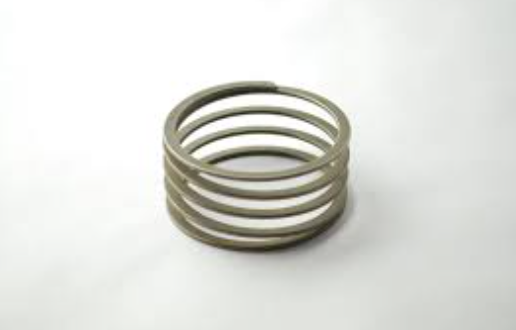
The 4-series spring starter has earned a reputation as the workhorse of the industrial spring starting product range. Its combination of substantial energy output, rugged construction, and broad application compatibility has made it the default choice for engineers specifying battery-free starting solutions for mid-range industrial diesel engines.
What Sets the 4-Series Apart
In a product category defined by simplicity and mechanical elegance, distinguishing one spring starter from another requires looking beyond basic function to engineering quality, application breadth, and real-world reliability record. The 4-series stands out on each of these dimensions.
Engineering quality is evident in the material specifications, manufacturing precision, and testing protocols applied to every unit. Application breadth reflects the 4-series’ ability to accommodate a wide range of engine sizes, installation configurations, and environmental conditions. Real-world reliability is documented through field installations that have operated for years or decades without significant issues.
Engineering Analysis of the 4-Series Design
Spring Energy Optimization
The 4-series spring is engineered for maximum energy density within its target size envelope. This optimization allows the unit to start larger engines than a simple extrapolation of the spring size would suggest, because every joule of stored energy is efficiently transferred to the engine. The efficiency of energy transfer depends critically on the quality of the drive system design—and the 4-series drive system is engineered to minimize losses.
Structural Integrity Under Dynamic Loading
Spring release generates dynamic loads that are many times higher than the unit’s static weight. The 4-series housing and mounting system are designed through finite element analysis and validated through physical testing to withstand these loads with appropriate safety margins. This structural analysis prevents premature fatigue failure of the mounting system under repeated starting cycles.
Sealing for Demanding Environments
Industrial environments expose equipment to moisture, dust, chemicals, and temperature cycling that challenge sealing systems. The 4-series uses high-quality seals and gaskets rated for the anticipated chemical and temperature exposure, preventing contamination ingress that could compromise spring and mechanism performance.
Application Engineering Support
Specifying the correct 4-series configuration for a specific application involves more than selecting a catalog item. For complex applications—unusual engine configurations, hazardous atmosphere requirements, remote installation constraints—application engineering support from the manufacturer ensures that the selected unit is correctly configured and that the installation is properly designed.
- Engine compatibility verification against flywheel specifications
- Starting torque analysis with temperature derating
- Mounting structure design review
- Integration with engine management and monitoring systems
- Hazardous area classification review and certification confirmation
Comparison with Alternative Starting Technologies
In the engine size range where the 4-series operates, several starting technologies compete. Battery-electric starters are less expensive initially but require battery infrastructure and maintenance, perform poorly in cold weather, and provide less operational independence. Pneumatic starters offer competitive torque but require compressed air infrastructure. The 4-series spring starter provides the best combination of self-contained operation, temperature independence, and reliability for the vast majority of applications in this size range.
Operating Cost Analysis
Over a ten-year operational period, the 4-series spring starter consistently delivers favorable total cost of ownership compared to electric alternatives in demanding applications. The elimination of battery replacement costs alone often justifies the higher initial investment within three to five years. When starting failure costs are included in the analysis—particularly for critical standby applications—the economic case for the spring starter becomes even more compelling.
See also: Corporate Phone 8552690632 Business Support
Frequently Asked Questions
Is the 4-series suitable for natural gas engines?
Yes. The 4-series can be applied to natural gas engines in the appropriate displacement range. The selection process follows similar principles as diesel applications, with attention to the specific compression ratios and starting requirements of gas engines.
How does the 4-series handle multiple starts in quick succession?
Each start attempt consumes spring energy. After all energy is expended, the spring must be rewound before further starts are possible. For applications requiring rapid successive starts, discuss duty cycle requirements with the manufacturer to ensure the winding mechanism and spring are sized appropriately.
What after-sales support is available for 4-series units?
Reputable manufacturers provide comprehensive after-sales support including spare parts supply, technical documentation, and application engineering assistance. Establish support expectations before purchasing, particularly for critical applications.
Conclusion
The 4-series spring starter’s status as an industrial standard reflects its consistent delivery of what industrial operators most need: reliable engine starting without batteries, infrastructure dependencies, or excessive maintenance. Its proven engineering, broad application compatibility, and field reliability record make it the rational choice for mid-range industrial diesel engine starting applications worldwide.