Traditional villas are one of the defining features of the property market in Javea. With their Mediterranean architecture, mature gardens, natural stone details, and charming character, these homes continue to attract buyers from across Europe who are searching for authenticity and long-term lifestyle appeal on the Costa Blanca.
In recent years, renovating older villas has become increasingly popular among both investors and lifestyle buyers. Many purchasers are drawn to the idea of modernising a traditional property while preserving its original Mediterranean charm. A well-executed renovation can transform an older villa into a stunning contemporary home that combines character, luxury, and improved functionality.
However, renovating a villa in Javea requires careful planning, realistic budgeting, and a good understanding of local regulations and construction processes. Whether you are considering a full luxury renovation or smaller upgrades, understanding the process is essential before beginning your project.
Why Buyers Choose Traditional Villas
Traditional villas in Javea often offer features that are difficult to find in newer developments. Larger plots, mature gardens, privacy, established residential areas, and authentic Mediterranean architecture all contribute to their long-term appeal.
Many older villas were built in highly desirable locations before stricter planning rules limited development in certain areas. As a result, renovated traditional homes can offer exceptional sea views, larger outdoor spaces, and prime positions that would be difficult to replicate today.
For many buyers, renovating also allows greater personalisation. Rather than purchasing a fully finished property designed to suit a broad market, buyers can create a home tailored specifically to their lifestyle and tastes.
See also: Custom Home Builders Toronto — Expert Design and Build Services for Luxury Homes
Understanding Renovation Potential
Before purchasing a traditional villa for renovation, it is important to understand the property’s structural condition and legal status.
Some older villas may require only cosmetic improvements such as new kitchens, bathrooms, flooring, and decoration. Others may need significant structural upgrades, electrical rewiring, plumbing replacement, insulation improvements, or roof repairs.
A professional building survey is highly recommended before committing to a purchase. Structural engineers and architects can help identify potential issues that may affect renovation costs or planning permissions later.
It is also important to confirm that the existing property is fully legal and correctly registered. Older properties occasionally contain unregistered extensions, terraces, or swimming pools that may require legalisation before renovation work begins.
Preserving Mediterranean Character
One of the biggest mistakes buyers sometimes make is removing too much of the original charm during renovation. Traditional villas in Javea are valued partly because of their Mediterranean character, so preserving key architectural features can significantly enhance both lifestyle appeal and resale value.
Features such as wooden beams, Tosca stone arches, terracotta floors, natural stone walls, traditional fireplaces, and shaded naya terraces are all highly desirable among buyers seeking authentic Costa Blanca homes.
Many successful renovations focus on blending traditional materials with modern functionality. For example, open-plan interiors, modern kitchens, and luxury bathrooms can be introduced while retaining original Mediterranean design elements.
This balance between authenticity and contemporary comfort is often what makes renovated villas in Javea especially attractive.
Modernising for Contemporary Living
While preserving character is important, most buyers also want modern convenience and energy efficiency.
Traditional villas were often designed differently from modern homes, with smaller kitchens, darker interiors, and more segmented layouts. Renovations frequently focus on improving natural light, increasing indoor-outdoor flow, and creating more practical living spaces for modern lifestyles.
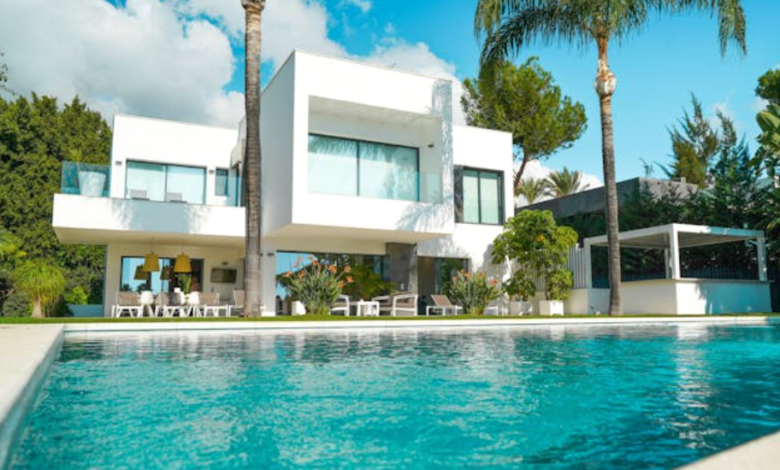
Open-plan living areas, larger windows, modern kitchens, and direct terrace access have become highly desirable features. Outdoor spaces are also increasingly important, with many buyers adding outdoor kitchens, chill-out zones, covered dining areas, and upgraded swimming pools.
Technology upgrades are another major part of many renovations. Underfloor heating, air conditioning, smart home systems, solar panels, and energy-efficient glazing are now common additions in renovated villas.
These improvements not only increase comfort but can also improve long-term property value and reduce running costs.
Planning Permission and Local Regulations
Renovating a villa in Javea usually requires permits and approvals from the local town hall, depending on the scale of the work involved.
Minor interior updates may involve relatively simple procedures, while structural changes, extensions, pool installations, or major redesigns typically require formal architectural projects and building licences.
Working with experienced local architects and legal advisers is essential to ensure compliance with local planning regulations. Javea has strict urban planning controls in some areas, particularly regarding building height, plot coverage, and environmental protection.
Attempting renovation work without proper permissions can lead to delays, fines, or legal complications later when selling the property.
Budgeting for Renovation Costs
One of the most important aspects of any renovation project is realistic budgeting. Renovation costs in Spain can vary significantly depending on the property’s condition, materials chosen, and the complexity of the work.
Basic cosmetic updates may cost relatively modest amounts, while full luxury renovations involving structural work, new installations, landscaping, and pool upgrades can become major investments.
Buyers should also allow contingency budgets for unexpected issues. Older villas can sometimes reveal hidden problems such as damp, outdated wiring, drainage issues, or structural weaknesses once work begins.
Additional costs may include architect fees, technical reports, licences, taxes, legal services, project management, and temporary accommodation if the property is uninhabitable during renovations.
Choosing the Right Professionals
Selecting reliable local professionals is one of the most important factors in achieving a successful renovation.
Experienced architects, builders, project managers, and lawyers who understand the Javea property market can help avoid costly mistakes and delays. Buyers who live abroad often benefit from hiring project managers to oversee construction and coordinate contractors throughout the renovation process.
It is also wise to request detailed written quotations, timelines, and references before committing to contractors. Communication and transparency are especially important for overseas buyers managing projects remotely.
Renovation as an Investment Strategy
Renovating traditional villas has become an increasingly popular investment strategy in Javea. Many investors purchase older homes in desirable locations, modernise them to luxury standards, and either resell them or use them as high-end rental properties.
Properties that successfully combine Mediterranean charm with modern design often command strong resale values because they appeal to both lifestyle buyers and international investors.
Sea-view villas, properties close to beaches, and homes in prestigious residential areas tend to offer the strongest long-term investment potential after renovation.
However, successful renovation projects require careful financial planning. Buyers should focus on properties with strong locations and realistic renovation budgets rather than over-improving homes beyond local market values.
The Lifestyle Rewards of Renovation
For many buyers, renovating a traditional villa is not only a financial decision but also a personal and creative journey.
Transforming an older Mediterranean property into a beautiful modern home allows owners to create something unique while preserving part of Javea’s architectural heritage. Many renovated villas become exceptional family homes that combine history, comfort, outdoor living, and long-term lifestyle value.
The ability to personalise spaces, enjoy larger plots, and retain authentic Mediterranean features is one of the reasons traditional villas continue to attract strong demand despite the rise of modern new-build properties.
Conclusion
Renovating a traditional villa in Javea can be an incredibly rewarding project when approached carefully and professionally. With the right planning, expert guidance, and realistic expectations, buyers can create stunning homes that blend Mediterranean character with modern luxury living.
As demand for authentic yet contemporary villas continues to grow, renovated traditional homes remain some of the most desirable properties on the Costa Blanca. For buyers seeking individuality, charm, and long-term lifestyle value, renovating a villa in Javea can offer the opportunity to create something truly special.