Buying laser equipment is not like buying a standard machine tool. The technology is complex, the applications are varied, and the supplier relationship lasts for years. Choosing the right laser equipment manufacturer means finding a partner that understands your production, configures the system correctly and supports it long after installation. This guide explains what to look for when making that choice.
Look Beyond the Machine Catalogue
A catalogue tells you what a manufacturer sells, but not how well it will work for you. The first thing to assess is whether the manufacturer understands your application. A laser equipment manufacturer that has supplied your industry will know the materials you work with, the quality standards you must meet and the problems that commonly arise. That experience shows in the questions they ask and the solutions they propose.
Ask for examples of similar installations. A manufacturer that can describe how its equipment solved a problem like yours, and can arrange a visit to a working customer, is offering something far more valuable than a brochure. The conversation should feel like a technical discussion, not a sales pitch.
Range, Customisation and Integration
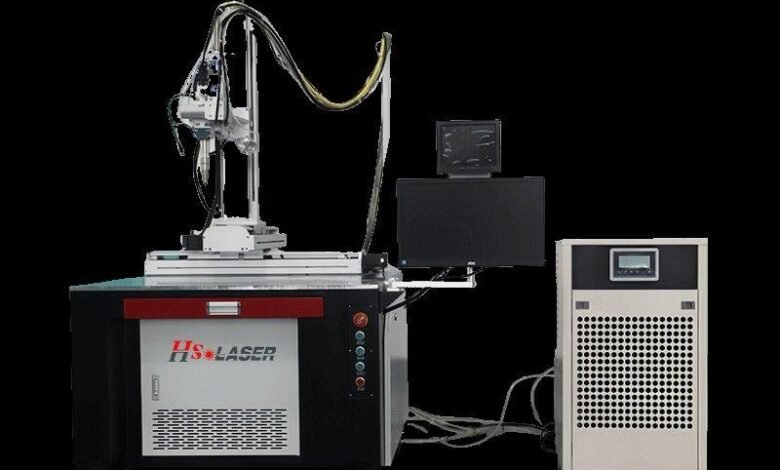
Laser equipment covers welding, cutting, cleaning and marking, and a good manufacturer offers a range that spans these processes. That breadth matters because your needs may change, and a supplier that can provide different systems from one source simplifies future purchases and support.
Customisation is equally important. Your parts may need special fixtures, automation or integration with an existing line. A laser equipment manufacturer that designs and builds these elements in-house can deliver a complete system, rather than a standard machine that leaves the hard work to you. Ask how the manufacturer handles integration, and whether it takes responsibility for the whole system or only the laser itself.
Engineering Quality and Reliability
The quality of the engineering decides how the equipment performs over years of daily use. Look at the frame, the motion system, the laser source and the control software as a complete system. A well-built machine is rigid, precise and easy to maintain, with components chosen for reliability rather than low cost.
Ask about testing. Each machine should be tested before delivery, ideally on your own parts, so that problems are found at the factory rather than on your production floor. A manufacturer that welcomes sample testing is confident in its equipment, and that confidence is worth noting.
Training, Service and Spare Parts
A new laser system is only as good as the people who run it. Check what training the manufacturer provides, and whether it covers operation, maintenance and safety. The best suppliers train your team on your own parts and processes, so production starts smoothly from the first week.
After-sales support is where suppliers differ most. Ask about response times, spare parts availability and remote diagnostics. A laser equipment manufacturer with a strong service organisation will keep your line running, while a weak one will leave you waiting when a problem arises. Service terms should be agreed in writing before you buy.
5 Signs of a Manufacturer Worth Partnering With
- Industry experience: they understand your materials, standards and applications.
- Complete systems: they deliver fixtures, automation and integration, not just a machine.
- Proven quality: machines are tested before delivery, ideally on your parts.
- Strong training: your team learns on your own products and processes.
- Reliable support: fast response, available spares and remote diagnostics.
Comparing Total Cost, Not Just Price
The purchase price is only part of the cost of owning laser equipment. Factor in installation, training, consumables, planned maintenance and the cost of downtime if the machine stops. A cheaper machine with expensive consumables or slow service can cost more over five years than a better-supported alternative.
Downtime deserves special attention. When a laser system stops, production stops, and the lost output can quickly exceed any saving on the purchase price. A manufacturer with fast service and readily available parts reduces that risk, and that reliability has a real financial value.
Questions to Ask a Laser Equipment Manufacturer
Before choosing a laser equipment manufacturer, prepare a short list of questions. Ask about experience in your industry, the range of machines available, and how the supplier handles customisation and integration. Ask what training is included, how quickly spare parts arrive, and what the warranty covers. A good laser equipment manufacturer will answer these questions clearly and will welcome a visit to a working installation. The answers tell you as much about the company as about the machine, and they help you choose a partner you can rely on for years to come.
Frequently Asked Questions
Should I choose a manufacturer in my own country?
Local support is convenient, but what matters most is the quality of service you will actually receive: response times, spare parts and the ability to visit your site when needed.
How long does it take to get a new system into production?
Allow several weeks from delivery to full production, covering installation, safety checks, integration, testing on your parts and operator training.
Can a manufacturer handle both my current and future needs?
A good one can. Discuss your future plans during the selection process, so the supplier can recommend equipment that grows with your production.
See also: Why Protective Intelligence Should Connect Threat Detection With Physical Security Decisions
Final Thoughts
Choosing a laser equipment manufacturer is a decision about a long-term partnership. Look for industry experience, a complete approach to systems and integration, proven engineering quality, thorough training and support you can rely on. Compare total costs honestly and insist on testing with your own parts before you commit. The right partner will help your production line run better for years, and that is worth choosing carefully.