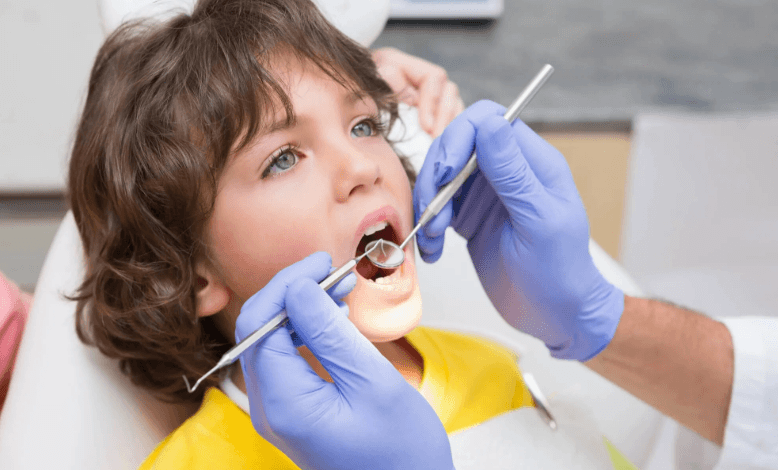
The Lasting Impact of Early Oral Behaviours
The formative years of childhood represent a critical period during which seemingly innocent habits can set the stage for a lifetime of dental challenges. Whilst many parents dismiss thumb-sucking or prolonged dummy use as harmless phases, these behaviours often leave indelible marks on developing dental structures. The relationship between childhood oral habits and adult dental architecture is far more profound than most people realise, with consequences that extend well beyond aesthetics to affect fundamental aspects of oral function.
Understanding this connection requires an appreciation of how malleable young jaws and teeth truly are. During the early years of development, bones and soft tissues respond readily to persistent pressures, moulding themselves around repetitive forces. This plasticity, whilst beneficial for normal growth, becomes problematic when children engage in prolonged non-nutritive sucking or other detrimental oral behaviours. The effects of these habits can persist into adulthood, often requiring intervention from a dentist St Albans or other dental professionals to correct.
Common Childhood Oral Habits and Their Mechanisms
Thumb-Sucking and Dummy Use
Thumb-sucking represents one of the most prevalent childhood oral habits, with research indicating significant correlations between prolonged sucking habits and malocclusion development. The constant pressure exerted by a thumb or dummy against the developing palate can create characteristic changes in dental alignment. These alterations typically manifest as an anterior open bite, where the front teeth fail to meet when the jaw closes, or as a posterior crossbite, where the upper teeth sit inside the lower teeth.
The severity of these changes depends largely on three factors: the duration of the habit, the intensity of the sucking action, and the frequency with which the behaviour occurs. Children who engage in vigorous thumb-sucking for extended periods throughout the day face considerably higher risks of developing significant malocclusions than those who indulge only occasionally or with minimal force.
Tongue Thrusting and Abnormal Swallowing Patterns
Tongue thrusting involves pushing the tongue forward against or between the teeth during swallowing, speaking, or at rest. This habit, often less visible than thumb-sucking, can prove equally damaging to dental development.
The persistent forward pressure from an improperly positioned tongue can prevent teeth from erupting into their correct positions, leading to spacing issues and protruding front teeth. Unlike thumb-sucking, which children often outgrow naturally, tongue thrusting frequently persists into adolescence and adulthood if left unaddressed, making early intervention essential for preventing long-term structural changes.
Mouth Breathing
Chronic mouth breathing during childhood represents another significant contributor to altered facial and dental development. When children breathe predominantly through their mouths rather than their noses, the tongue rests in a lower position than optimal, failing to provide the natural palatal support necessary for proper maxillary development. This can result in a narrow, high-arched palate, crowded teeth, and distinctive facial characteristics including elongated facial proportions and a recessed chin.
The causes of mouth breathing vary considerably, ranging from enlarged adenoids and tonsils to chronic allergies. Medical literature emphasises the importance of identifying and treating the underlying causes to prevent irreversible changes to craniofacial development.
Long-Term Consequences for Adult Dental Health
The structural changes initiated by childhood oral habits rarely resolve spontaneously. Adults who engaged in persistent oral habits during their formative years often present with complex orthodontic needs, including severe malocclusions that affect both appearance and function. These individuals may experience difficulties with proper chewing, increased wear on certain teeth, temporomandibular joint disorders, and heightened susceptibility to periodontal disease due to misaligned teeth being harder to clean effectively.
Furthermore, contemporary research continues to document the psychological impact of dental irregularities stemming from childhood habits, with affected individuals reporting reduced self-confidence and social anxiety related to their smiles. The financial burden of corrective treatment in adulthood typically far exceeds the cost of early intervention during childhood.
See also: Wearable Technology Innovations in Healthcare
Protecting Future Dental Health Through Early Action
The evidence overwhelmingly supports early identification and management of detrimental childhood oral habits. Parents and healthcare providers share responsibility for monitoring young children’s oral behaviours and seeking professional guidance when concerns arise. Timely intervention can redirect developmental trajectories, preventing the establishment of permanent structural changes that compromise adult dental function and aesthetics. Through awareness and proactive management, the cycle of childhood habits leading to adult dental complications can be effectively interrupted, ensuring healthier smiles for future generations.