Sports have changed significantly over the last few decades. Training methods are more advanced, athletes have access to better equipment, and coaches rely on data to improve performance. One area that often receives less attention, however, is the role of performance apparel. The clothing athletes wear during practice and competition can affect movement, temperature regulation, and overall comfort on the field.
Today, performance apparel has become an important part of modern sports. From youth leagues to professional organizations, teams are investing in clothing designed to support athletes during training and competition. As technology continues to influence the sports industry, apparel manufacturers are developing fabrics and designs that help athletes perform at their best.
Understanding how performance apparel works and why it matters can help coaches, players, and organizations make informed decisions when selecting sportswear.
The Growing Importance of Performance Apparel
In the past, many athletes trained in basic cotton shirts and shorts. While these garments were affordable and widely available, they often retained moisture and became heavy during intense activity. As sports science advanced, researchers began studying how clothing impacts athletic performance.
Modern performance apparel is designed with specific goals in mind. Manufacturers focus on breathability, moisture control, flexibility, and durability. These features help athletes remain focused on their performance rather than being distracted by uncomfortable clothing.
Whether someone participates in football, basketball, baseball, soccer, or track and field, the right apparel can contribute to a more comfortable experience throughout training sessions and competitive events.
See also: Wearable Technology Innovations in Healthcare
How Moisture-Wicking Apparel Supports Athletes
One of the most significant developments in athletic clothing is moisture management technology. During exercise, the human body naturally produces sweat to regulate temperature. Traditional fabrics often absorb sweat and hold moisture against the skin.
Moisture-wicking apparel works differently. These fabrics pull sweat away from the body and move it toward the outer surface of the garment, where it can evaporate more quickly. This process helps athletes remain drier throughout activity.
When players stay dry, they often feel more comfortable during long practices and games. Reduced moisture buildup can also minimize irritation that sometimes occurs when wet fabric repeatedly rubs against the skin.
For teams that train outdoors during warm weather, moisture-wicking materials have become a common feature in sports team uniforms and practice gear.
The Role of Athletic Clothing in Freedom of Movement
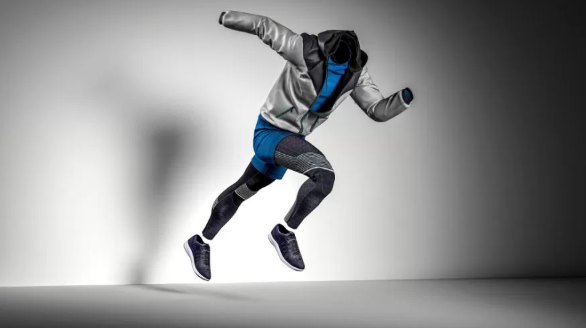
Athletes perform a wide range of movements depending on their sport. Sprinters explode from starting blocks, basketball players jump and pivot, and soccer players change direction in seconds. Restrictive clothing can interfere with these movements.
Modern athletic clothing is designed to move with the body. Stretch fabrics and athletic cuts allow players to perform naturally without feeling restricted. Many garments also include strategically placed seams that reduce friction during activity.
As a result, athletes can focus more on their performance and less on adjusting uncomfortable clothing during practices or competitions.
Why Fabric Technology Matters
Fabric innovation has become one of the most important aspects of performance apparel development. Manufacturers continually test new materials to improve durability and functionality.
Many activewear fabrics now feature lightweight construction while maintaining strength. This balance helps athletes remain comfortable without sacrificing durability. Some materials are specifically engineered for high-intensity training, while others are designed for outdoor environments where weather conditions may change throughout the day.
The ability to combine durability and lightweight performance has made modern sportswear more effective than ever before.
Performance Apparel and Team Identity
Sports apparel serves more than a functional purpose. It also plays an important role in creating a sense of unity among team members.
When athletes wear coordinated uniforms and training gear, they often feel more connected to their teammates. Team apparel helps create a professional appearance while reinforcing group identity and pride.
Many schools, clubs, and organizations carefully select apparel that reflects their colors, values, and overall image. This visual consistency contributes to a stronger team culture both on and off the field.
In many cases, organizations look for suppliers that provide a broad selection of performance garments. Companies such as simplstcapparel offer access to apparel options that can support the needs of teams, schools, and athletic programs seeking reliable clothing solutions.
Choosing the Right Performance Apparel for Different Sports
Not every sport requires the same type of clothing. The demands of football differ greatly from those of cross-country running or volleyball.
Athletes participating in outdoor sports often benefit from lightweight garments that help regulate body temperature. Indoor athletes may prioritize flexibility and unrestricted movement. Contact sports may require more durable materials capable of withstanding repeated physical stress.
Understanding the specific requirements of each sport can help coaches and athletic directors make better purchasing decisions when selecting training wear and uniforms.
How Performance Apparel Supports Training Consistency
Athletes spend countless hours developing their skills through practice. Training consistency often determines long-term success.
While apparel alone does not improve athletic ability, comfortable clothing can help create a more positive training experience. Players who remain comfortable throughout workouts may be better able to focus on drills, conditioning exercises, and skill development.
This is one reason many athletic programs invest in quality performance wear rather than relying solely on basic garments designed for casual use.
The Evolution of Sports Team Uniforms
Sports team uniforms have evolved dramatically over time. Earlier uniforms often prioritized appearance over functionality. Modern uniforms, however, are designed to support performance while maintaining a professional look.
Today’s uniforms commonly include advanced fabrics that promote airflow and moisture control. Many designs also incorporate ergonomic construction techniques that support natural body movement.
Athletes at every level now have access to apparel that was once available only to elite competitors. This accessibility has contributed to the widespread adoption of performance-focused sportswear across amateur and professional sports.
What Coaches Should Consider When Selecting Apparel
Coaches and program directors often face important decisions when choosing apparel for their teams. Several factors should be considered before making a selection.
Durability remains a top priority, particularly for programs operating with limited budgets. Apparel that withstands repeated washing and regular use can provide better long-term value.
Fit is another important consideration. Athletes perform best when clothing allows unrestricted movement while maintaining a professional appearance.
Climate should also influence apparel choices. Teams competing in hot environments may require lightweight garments, while colder regions may benefit from layering systems designed for changing weather conditions.
Many coaches also evaluate brand reputation when selecting sportswear. Over the years, A4 apparel has become a recognizable option within the athletic apparel market because of its focus on performance-oriented garments for teams and organizations.
The Future of Performance Apparel
The performance apparel industry continues to evolve. Researchers and manufacturers are constantly developing new materials and production methods designed to improve athletic experiences.
Future innovations may include even lighter fabrics, improved temperature regulation technologies, and environmentally responsible manufacturing practices. Sustainability is already becoming a significant topic within the apparel industry as organizations seek ways to reduce environmental impact while maintaining product quality.
As these advancements continue, athletes will likely benefit from clothing that offers greater functionality without compromising durability or comfort.
Conclusion
Performance apparel has become an important part of modern sports. Advances in fabric technology, moisture management, durability, and fit have transformed how athletes train and compete. From youth programs to professional organizations, teams now recognize the value of apparel designed specifically for athletic performance.
As sports continue to evolve, performance apparel will remain a key consideration for coaches, players, and organizations. Choosing the right garments can contribute to a better athletic experience, support training consistency, and help teams present a unified identity. For anyone involved in sports today, understanding the role of performance apparel is an important step toward making informed apparel decisions.