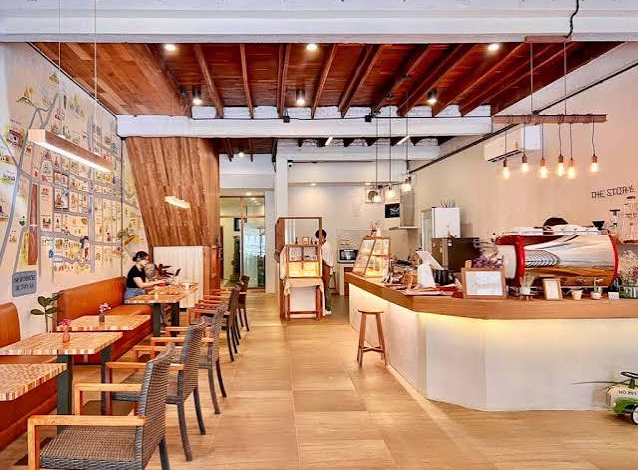
Working remotely while traveling through Southeast Asia can look effortless from the outside. Open a laptop, find a café with a good view, connect to Wi-Fi, and get through the workday before heading out to explore. In reality, a productive nomad routine depends on much more than finding an attractive coffee shop.
The quality of Wi-Fi, workspace comfort, mobile data, electricity, noise levels, opening hours, and daily spending can all influence the experience. For anyone planning an extended stay, understanding these details is more useful than simply searching for the most popular cafés. This is where practical Southeast Asia travel field guides can make a difference, especially when they focus on the everyday realities of working while moving between cities.
What Makes Southeast Asia Attractive for Working Nomads?
Southeast Asia has become a popular region for remote workers because several destinations combine relatively accessible living costs with established tourism infrastructure. Cities such as Chiang Mai, Da Nang, Kuala Lumpur, Bali, and other Vietnamese and Thai destinations offer different combinations of accommodation, food, transportation, cafés, and workspaces.
The important point is that there is no single Southeast Asian digital nomad experience.
A person spending a month in Chiang Mai may build a routine around inexpensive cafés and dedicated coworking spaces. Someone staying in Da Nang might alternate between beachfront cafés and a quiet apartment workspace. In Bali, the choice may revolve around the neighborhood, traffic, coworking availability, and internet reliability.
That variety makes the region particularly useful for travelers who want to design a working lifestyle around their own priorities.
Café Work: Convenient but Not Always Simple
Cafés are often the first option for a working traveler. They can provide coffee, air conditioning, Wi-Fi, seating, and a change of environment without requiring a formal membership.
However, a café that works perfectly for a two-hour writing session may not be suitable for a full day of meetings.
For longer stays, comparing daily workspace expenses with other travel costs is important. Looking at honest travel budgets for Southeast Asia can help travelers understand how small café purchases and connectivity costs affect their overall monthly spending.
What to Check Before Settling In
A useful café assessment should go beyond the menu. Look at:
- Wi-Fi reliability: A fast connection is useful, but consistency matters more when joining video meetings or uploading files.
- Power outlets: A table without convenient charging can become a problem during a long work session.
- Noise levels: Music, conversations, traffic, and crowded seating can affect concentration.
- Seating: Comfortable chairs and suitable table height become important after several hours.
- Opening hours: Early meetings or late work sessions require a schedule that matches your working hours.
- Mobile signal: A strong cellular connection provides an important backup when café Wi-Fi fails.
- Customer expectations: Some cafés are designed for quick visits rather than extended laptop sessions.
A good café is therefore less about appearance and more about whether its practical conditions match the type of work you need to complete.
Coworking Spaces Offer More Structure
Coworking spaces solve several problems that cafés cannot always address. Dedicated workstations, meeting rooms, stable internet, quiet areas, printing facilities, and professional communities can make them worthwhile for people with demanding schedules.
They can also provide a more predictable working environment.
For a digital nomad who spends several hours each day on client calls, content production, development, consulting, or other focused work, paying for a workspace may be easier than moving between cafés.
When Coworking Becomes Worth the Cost
A coworking membership can make sense when:
- You need dependable internet every working day.
- You regularly attend video meetings.
- Your work requires a quiet environment.
- You need access to meeting rooms.
- You want a consistent desk or workstation.
- You are staying in one destination for several weeks.
- You want opportunities to meet other remote professionals.
The best choice depends on the length of your stay and working schedule. A day pass can be useful for testing a space before committing to a weekly or monthly package.
Connectivity Is the Foundation of the Routine
A beautiful workspace becomes irrelevant when the internet connection repeatedly fails.
For working travelers, connectivity should be treated as infrastructure rather than an optional convenience. Hotel Wi-Fi, café internet, coworking networks, and mobile data all have different strengths and weaknesses.
A practical setup usually includes more than one connection method.
Build a Backup Internet Plan
A reliable connectivity strategy might involve:
- Primary Wi-Fi: Use the café, apartment, hotel, or coworking connection for normal work.
- Mobile data: Keep a local SIM or eSIM available for everyday backup.
- Phone hotspot: Make sure your phone can share its connection when necessary.
- Offline files: Keep essential documents available locally instead of relying entirely on cloud access.
- Power backup: A charged power bank can help when working away from reliable outlets.
For travelers moving across multiple countries, choosing an appropriate eSIM can also simplify connectivity. Instead of purchasing a physical SIM after every border crossing, a regional or country-specific data plan may provide a more convenient option.
Da Nang, Chiang Mai, and Bali Offer Different Work Styles
Southeast Asia is not one uniform remote-work market. Each major destination creates a different daily rhythm.
Da Nang
Da Nang can appeal to travelers who want a combination of city infrastructure, beaches, restaurants, cafés, and a relatively relaxed atmosphere. Café-based work can fit naturally into a stay here, but travelers should still test Wi-Fi and seating before planning an entire workday around one location.
The city can work particularly well for people who enjoy changing environments while maintaining a relatively stable base.
Chiang Mai
Chiang Mai has long attracted remote workers and long-stay travelers. Its established café culture and coworking ecosystem make it easier to build a repeatable work routine.
Instead of searching for a new location every morning, a nomad can identify a few dependable cafés and coworking spaces, then rotate between them depending on the day’s workload.
This approach also makes expense tracking easier because recurring workspace and coffee costs become predictable.
Bali
Bali offers an enormous range of work environments, from independent cafés to dedicated coworking spaces. However, the experience can vary significantly by area.
A traveler staying in Canggu, for example, may prioritize coworking spaces, café access, and social opportunities. Another traveler may prefer a quieter neighborhood with fewer distractions.
The lesson is simple: choosing the right area can matter almost as much as choosing the right workspace.
The Real Cost of a Working Day
A digital nomad budget should account for more than accommodation and flights.
A typical workday can include:
- Morning coffee
- Breakfast or lunch
- Café or coworking fees
- Mobile data
- Transportation
- Electricity or workspace-related costs
- Snacks and water
- Evening activities
These individual purchases may appear insignificant, but repeated expenses can have a noticeable effect on a monthly budget.
This is why a line-item travel cost breakdown is more useful than a single daily spending estimate. Two travelers can report the same average daily budget while having completely different spending patterns.
One may spend more on accommodation but work from home. Another may choose cheaper lodging while paying for coworking, coffee, transportation, and frequent meals outside.
How to Create a Practical Nomad Work Routine
Productivity becomes easier when the working environment is planned rather than improvised.
Start by separating work requirements from travel preferences. If you have client meetings in the morning, a quiet workspace with dependable internet should take priority over a scenic café.
If your work is mostly writing or research, you may have more flexibility.
A simple weekly routine can include dedicated coworking days, café sessions for lighter tasks, and apartment-based work for calls or concentrated projects.
Track the Details That Actually Matter
Instead of recording only total spending, track categories such as:
- Workspace
- Coffee
- Mobile data
- Transportation
- Accommodation
- Meals
- Activities
After a few weeks, patterns become visible. You may discover that transportation between cafés costs more than expected or that a coworking membership is cheaper than purchasing several coffees every day.
This kind of honest travel expense tracking in Southeast Asia gives travelers information they can use to plan their next destination more realistically.
Connectivity Changes How You Choose a Destination
Internet access can influence destination selection just as much as accommodation prices.
Before moving to a new city, remote workers should consider the entire connectivity environment rather than asking only whether the destination has Wi-Fi.
Research the availability of coworking spaces, mobile networks, local SIM options, eSIM coverage, and reliable accommodation internet. If your income depends on uninterrupted online access, having a backup connection is particularly important.
This becomes even more relevant when working across borders. A traveler may move from Thailand to Vietnam, Malaysia, or Indonesia and discover that a previous mobile plan no longer provides the same convenience.
Planning connectivity before arrival reduces unnecessary disruption.
The Working Nomad Experience Is About Systems
The biggest lesson from working around Southeast Asia is that productivity rarely comes from one perfect café or one excellent coworking space.
It comes from having a system.
Know where you can work quietly. Know where you can take calls. Keep a backup internet connection. Understand your recurring expenses. Maintain a few reliable workspace options rather than depending on one location.
This approach also leaves more time for the reason many people travel in the first place: experiencing the destination.
A Better Way to Explore While Working
Remote work does not have to turn travel into a routine of laptop, apartment, and coffee shop. With the right setup, work can become the stable part of the day while exploration fills the remaining hours.
A traveler might spend the morning handling focused tasks, take a midday break, complete afternoon meetings from a coworking space, and explore local food or neighborhoods afterward.
The key is choosing destinations and workspaces according to actual requirements rather than social-media popularity.
For independent travelers, practical Southeast Asia digital nomad field guides are most valuable when they answer everyday questions: What does a normal workday cost? Where can you find dependable Wi-Fi? Is mobile data reliable? Which neighborhoods make sense for a longer stay? When does coworking offer better value than cafés?
Those details transform a destination from a place that looks appealing into a place that can genuinely support a working lifestyle.
Finding Your Own Southeast Asia Work Setup
There is no universal formula for the ideal digital nomad day. Some travelers need a professional coworking desk and reliable meeting rooms. Others can work comfortably from a quiet café with a laptop and mobile hotspot.
The best setup is the one that balances productivity, connectivity, cost, and freedom.
That is also the value of approaching travel through real field notes and detailed spending information. Instead of relying on broad claims about how affordable or convenient a destination is, travelers can compare the practical pieces that make up everyday life.
For digital nomads exploring Southeast Asia, cafés, coworking spaces, and connectivity are not separate considerations. Together, they form the infrastructure of the working journey—and understanding that infrastructure can make long-term travel considerably easier, more productive, and more enjoyable.