Fixed flat roof windows have become an essential feature in modern architecture, offering a practical and visually striking way to introduce natural light into buildings. As homeowners, architects, and developers continue to prioritise daylight, energy efficiency, and minimalist design, the demand for high-performance roof glazing solutions has increased significantly across the UK construction sector.
This article provides a comprehensive overview of fixed flat roof windows, including how they work, their benefits, design considerations, installation requirements, and real-world applications. Whether you are planning a home extension, commercial development, or renovation project, understanding these systems can help you make more informed design decisions.
What Are Fixed Flat Roof Windows?
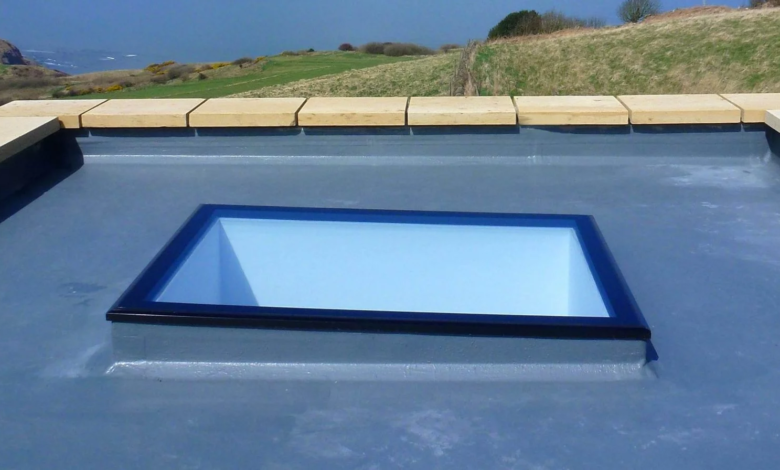
Fixed flat roof windows are non-opening glazed units installed into flat or low-pitched roofs. Unlike ventilated rooflights, they are designed purely to provide daylight rather than airflow. This makes them ideal for areas where ventilation is not required or is provided by other means.
Typically, fixed flat roof windows consist of:
- A double or triple-glazed insulated glass unit
- A thermally broken aluminium frame
- High-performance weather seals
- A structural kerb or upstand system
- Optional solar control or self-cleaning coatings
These systems are widely used in both residential and commercial buildings where maximising natural light is a priority.
Why Choose Fixed Flat Roof Windows?
There are several reasons why fixed flat roof windows are a preferred choice for architects and property owners. Their simplicity, performance, and design flexibility make them suitable for a wide range of applications.
1. Maximum Natural Light
The primary advantage of fixed flat roof windows is their ability to flood interior spaces with natural light. Because they are installed horizontally, they capture daylight more effectively than vertical glazing.
For example, in a kitchen extension, fixed flat roof windows can illuminate the entire work surface and dining area, reducing reliance on artificial lighting during the day.
2. Sleek and Modern Aesthetic
Fixed flat roof windows are often chosen for their clean, minimalist appearance. With slim frames and large glass panels, they blend seamlessly into modern roof designs.
This makes them especially popular in contemporary architecture where uninterrupted lines and open spaces are key design principles.
3. Improved Energy Efficiency
Modern fixed flat roof windows are designed with advanced glazing technology to improve thermal performance. Features such as low-emissivity coatings and argon-filled glazing units help reduce heat loss in winter and limit heat gain in summer.
Benefits include:
- Lower energy consumption
- Improved indoor comfort
- Reduced heating and cooling costs
- Compliance with UK building regulations
4. Lower Maintenance Requirements
Because fixed flat roof windows do not open, they have fewer mechanical components. This reduces maintenance needs and lowers the risk of mechanical failure over time.
In many cases, they are also fitted with self-cleaning glass, which helps reduce dirt buildup and keeps the surface clearer for longer.
5. Enhanced Security
Fixed units are inherently more secure than opening roof windows because they cannot be opened from the outside. This makes them suitable for ground-floor extensions, commercial buildings, and high-value properties.
Design Options for Fixed Flat Roof Windows
Modern fixed flat roof windows are highly customisable, allowing them to be adapted to different architectural styles and performance requirements.
Frameless Internal Appearance
One of the most popular design trends is the frameless internal finish. This creates the illusion of uninterrupted glass from inside the building, enhancing the feeling of openness and space.
Glass Specification Options
Different types of glazing can be used depending on project requirements:
- Double glazing for standard residential applications
- Triple glazing for enhanced thermal performance
- Solar control glass for reducing glare and overheating
- Acoustic glass for noise reduction in urban environments
- Laminated safety glass for additional security
Size and Shape Flexibility
Fixed flat roof windows can be manufactured in a wide range of sizes, from small daylight panels to large structural glazing systems. In some cases, multiple units are installed together to create a dramatic architectural feature.
Applications of Fixed Flat Roof Windows
Fixed flat roof windows are extremely versatile and can be used across a variety of building types.
Residential Extensions
One of the most common uses is in home extensions. A fixed flat roof window can transform a dark rear extension into a bright, welcoming living space.
For instance, in a single-storey kitchen extension, a series of fixed flat roof windows can be positioned above the cooking and dining areas to ensure even daylight distribution throughout the space.
Loft Conversions
In loft conversions, fixed flat roof windows are often used where ventilation is not essential or is provided by other windows. They help bring natural light into attic bedrooms, offices, and bathrooms.
Commercial Buildings
Offices, retail spaces, and hospitality venues use fixed flat roof windows to create brighter environments that improve customer experience and employee productivity.
Natural light has been shown to increase wellbeing, making these systems a valuable addition to workplace design.
Educational and Public Sector Projects
Schools, libraries, and community buildings benefit from fixed flat roof windows as they improve learning environments and reduce reliance on artificial lighting.
See also: Custom Home Builders Toronto — Expert Design and Build Services for Luxury Homes
Energy Efficiency and Building Regulations
Energy performance is a critical consideration in modern construction, and fixed flat roof windows are designed to meet strict UK building regulations.
Thermal Performance
High-quality fixed flat roof windows feature low U-values, meaning they provide excellent insulation. This helps reduce heat loss and improves overall building efficiency.
Passive Solar Design
When positioned correctly, fixed flat roof windows can support passive solar gain. This means they allow sunlight to naturally warm interior spaces during colder months, reducing heating demand.
Compliance with UK Standards
All modern fixed flat roof windows must comply with Part L of the Building Regulations, which governs energy efficiency in buildings. Manufacturers typically provide detailed performance data to support compliance during planning and construction.
Installation Considerations for Fixed Flat Roof Windows
Proper installation is essential to ensure long-term performance and weather resistance.
Structural Requirements
Before installation, the roof structure must be assessed to ensure it can support the weight of the fixed flat roof windows. In some cases, additional structural reinforcement may be required.
Waterproofing and Upstand Design
A correctly designed upstand or kerb system is essential for preventing water ingress. This ensures that rainwater is directed away from the glazing unit and into the roof drainage system.
Thermal Bridging Prevention
To maintain energy efficiency, installations must minimise thermal bridging. This is achieved using thermally broken frames and insulated kerb systems.
Professional Installation
Due to their technical requirements, fixed flat roof windows should always be installed by experienced professionals. Proper fitting ensures compliance with regulations and long-term durability.
Practical Example: Modern Kitchen Extension
A real-world example highlights the impact of fixed flat roof windows in residential design.
A homeowner renovating a semi-detached property wanted to create an open-plan kitchen and dining area. The original space was dark and lacked natural light.
By installing multiple fixed flat roof windows across the extension roof, the design team was able to dramatically increase daylight levels. The result was a bright, airy space that felt significantly larger and more inviting.
This demonstrates how fixed flat roof windows can transform even small or awkward spaces into functional, attractive living environments.
Cost Factors and Budget Considerations
The cost of fixed flat roof windows varies depending on several factors:
- Size and number of units
- Glazing specification
- Frame material and finish
- Installation complexity
- Access to the roof area
While premium systems may have higher upfront costs, they often deliver long-term savings through improved energy efficiency and reduced maintenance.
In many renovation projects, fixed flat roof windows are considered a high-value investment due to their impact on property appeal and usability.
Maintenance and Durability
One of the key advantages of fixed flat roof windows is their durability and low maintenance requirements.
Routine maintenance typically includes:
- Cleaning the external glass surface
- Inspecting seals and joints
- Ensuring drainage channels remain clear
Many systems also feature self-cleaning glass coatings that use rainwater and sunlight to break down dirt, reducing the need for frequent manual cleaning.
With proper care, fixed flat roof windows can last for decades while maintaining performance and appearance.
Future Trends in Fixed Flat Roof Windows
The industry continues to evolve with new technologies and design innovations that enhance performance and sustainability.
Smart Glass Technology
Emerging systems allow glass tint levels to adjust automatically based on sunlight conditions, improving comfort and energy efficiency.
Integrated Solar Solutions
Some fixed flat roof windows now incorporate photovoltaic technology, enabling them to generate renewable energy while providing daylight.
Ultra-Slim Frame Design
Manufacturers are developing slimmer frame profiles to maximise glass area and create more seamless architectural integration.
Improved Acoustic Performance
As urban environments become noisier, demand for enhanced sound insulation in roof glazing systems is increasing.
Choosing the Right Supplier
Selecting a reliable supplier for fixed flat roof windows is essential for ensuring quality, compliance, and performance.
Key factors to consider include:
- Proven experience in roof glazing systems
- Compliance with UK building standards
- Range of customisation options
- Technical support for architects and builders
- Warranty and aftercare services
Working with an experienced supplier helps ensure that your project achieves both aesthetic and functional goals.
Conclusion
Fixed flat roof windows offer a highly effective solution for bringing natural light into modern buildings while maintaining simplicity, durability, and energy efficiency. Their versatility makes them suitable for residential extensions, loft conversions, commercial spaces, and public buildings. With advances in glazing technology and design flexibility, they continue to play a key role in contemporary architecture across the UK. Whether you are aiming to enhance a living space or improve a commercial environment, fixed flat roof windows provide a reliable and visually appealing solution. For tailored guidance and expert support on your next project, contact us