Cutting edges are consumable parts, but how they are installed, used, and stored has a real effect on how long they last. Fleets that adopt a few simple practices can stretch the life of each edge, reduce purchases, and keep equipment working longer between maintenance stops.
Understand the edge design
Not every edge can be flipped or rotated. Single-bevel edges have a cutting angle on one side only. Double-bevel edges have angles on both long sides and can be flipped over once the first side is worn. Some flat edges are symmetrical end to end and can be rotated so the more worn end trades places with the less worn one. Knowing which designs are in the fleet determines which strategies apply.
Flipping double-bevel edges
Flipping a double-bevel edge effectively doubles its usable life. The key is timing. The edge should be flipped before the first side wears too close to the bolt holes. If wear goes too far, the edge may be too narrow to provide a useful second side. Many fleets mark a flip line with paint so operators know when to schedule the change.
Rotating to even out wear
Edges often wear more on one end because of blade angle or the side of the road being worked. Rotating the edge end to end, or swapping edges between positions on wide blades, spreads that wear more evenly. This prevents one section from reaching the wear limit while the rest still has life left.
Mind the hardware
Each time an edge is flipped or rotated, inspect the bolts and nuts. Reusing worn or stretched bolts can lead to loose edges. Clean the moldboard mounting surface to remove rust, debris, and packed material so the edge sits flush. Torque fasteners to specification. A properly seated cutting edge wears more predictably and is less likely to crack at the bolt holes.
Adjust operating technique
How equipment is run affects edge wear. Excessive downforce accelerates abrasion. Carrying the blade at a steady, appropriate angle reduces uneven wear. On snow routes, raising the blade slightly over known obstacles such as raised manhole covers reduces impact damage. Training operators on these habits extends edge life and protects the moldboard.
Store edges properly
Edges often sit in storage for months before installation. Steel exposed to moisture can rust, and while light surface rust is usually cosmetic, heavy corrosion can affect fit and hole dimensions. Store edges indoors or under cover, off the ground on dunnage, and away from standing water.
Stack edges flat and evenly to prevent bending. Heavy stacks on uneven supports can bow long edges, which then will not sit flush when installed. Keep different sizes and profiles separated and clearly labeled so crews can find the right part quickly.
Protect bevels
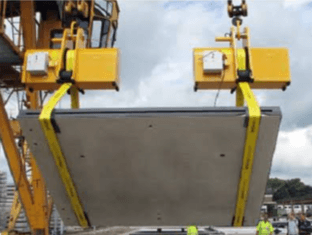
Hardened bevels can chip if edges are dropped or banged against each other. Handle them with appropriate lifting equipment and avoid dragging them across concrete. Chipped bevels do not cut as cleanly and may wear unevenly.
See also: Services That Help Businesses Thrive
Inventory management
Seasonal fleets benefit from planning inventory ahead of peak periods. Running out of edges in the middle of a storm or during a busy grading season leads to downtime or rushed purchases. Tracking usage rates by machine and season helps determine how many edges to keep on hand.
Rotate stock
Use older inventory first so edges do not sit in storage for years. First-in, first-out practices keep stock fresh and reduce the chance of finding badly corroded parts when they are needed.
Record what works
Tracking which practices extend edge life gives fleets data to refine their approach. Note the installation date, flip or rotation date, and removal date for each edge, along with conditions. Over time, patterns emerge that show which edges, techniques, and maintenance intervals deliver the best results.
Choose the right edge from the start
Extending service life starts with buying the right product. An edge with steel that suits the work, the correct thickness, and an accurate hole pattern will respond better to flipping and rotation than one that was a poor fit from day one. Discuss operating conditions with the supplier, including surface type, typical obstacles, and hours of use per season. Some fleets run harder steel on gravel routes and tougher steel on urban snow routes, matching each machine to its work. Getting this choice right reduces the number of edges cracked or worn out before they can be flipped, which is where many fleets lose value.
Small habits, measurable savings
Flipping, rotating, and storing edges correctly takes little extra effort, but the savings add up across a fleet. Each extra week of service from an edge delays a purchase and a maintenance stop. Combined with good operating technique and timely replacement, these practices help fleets get the most out of every edge they buy.