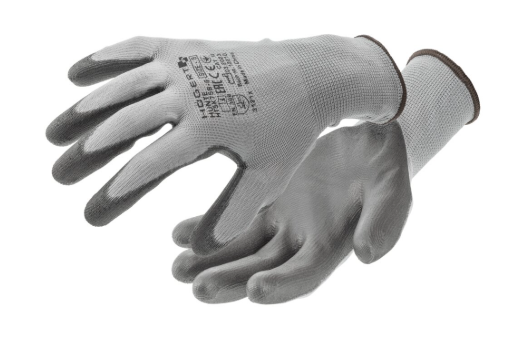
In heavy industry, oil and gas extraction, mining, and construction, workers’ hands face impact hazards from falling tools, machinery, and materials. impact resistant gloves are specifically designed to absorb and disperse these impact forces, reducing the risk of crush injuries, fractures, and soft tissue damage that standard work gloves cannot reliably prevent.
How Impact Resistant Gloves Work
Impact Absorption Technology
Impact resistant gloves incorporate TPR (Thermoplastic Rubber) padding over the knuckles, fingers, and dorsal hand area. These pads absorb kinetic energy from impacts and disperse it over a wider area, significantly reducing the force transmitted to underlying bone and tissue.
Modern TPR designs are engineered to be flexible in normal hand positioning but rigid enough during impact to provide meaningful protection. The padding is typically sewn or molded onto a cut-resistant or general-duty liner that provides additional mechanical protection.
Standards and Performance Ratings
Impact protection performance in gloves is assessed under the ANSI/ISEA 138-2019 standard in North America and EN 13594 for specific applications in Europe. The ANSI standard rates impact performance at three levels based on the maximum force transmitted during testing, with Level 3 offering the highest protection.
When purchasing impact resistant gloves, always verify that the product has been tested to the relevant standard rather than simply labeled as ‘impact resistant’ without supporting certification.
Combining Impact Protection with Other Features
Many real-world environments require impact protection alongside cut resistance, chemical resistance, or grip performance in wet conditions. Manufacturers increasingly offer gloves that combine impact-rated TPR dorsal coverage with cut-resistant HPPE liners and nitrile or oil-resistant coatings.
When evaluating multi-protection gloves, verify that each protection category meets the required standard independently. A glove can have excellent impact ratings but inadequate cut resistance, so check each rating on its own merits.
Frequently Asked Questions
Q: Are impact resistant gloves mandatory in oil and gas industries?
A: Many oil and gas operators require ANSI Level 2 or Level 3 impact resistant gloves as part of their hand safety programs, particularly for workers involved in drilling, pipe handling, and equipment maintenance.
Q: How often should impact resistant gloves be inspected?
A: Inspect gloves before each use. Check for cracks in the TPR padding, torn stitching, or coating damage. Impact-compromised pads no longer provide reliable protection and should trigger immediate replacement.
Q: Can impact resistant gloves be used for motorcycling?
A: Some impact resistant gloves are certified for motorcycle use under EN 13594, but always verify that the specific product meets the appropriate standard before using gloves in a different context than their intended application.
Conclusion
Impact resistant gloves are a critical defense against some of the most serious hand injuries in heavy industry. By selecting gloves with certified impact ratings, combining them with appropriate additional protection features, and maintaining an effective inspection and replacement program, employers can dramatically reduce the incidence of these potentially debilitating injuries.