Cerebral palsy (CP) is a neurological condition that affects movement, muscle tone, posture, and sometimes cognitive function. It is caused by damage to the developing brain, usually before, during, or shortly after birth. CP is a lifelong condition, meaning that it affects individuals throughout their lives, although the severity and type of symptoms can vary widely. Understanding what cerebral palsy is and how it impacts daily life is essential for families, caregivers, and educators to provide the right support and interventions.
Understanding Cerebral Palsy
Cerebral palsy is not a single condition but a group of disorders that primarily affect motor function. The brain damage that causes CP can occur due to a range of prenatal, perinatal, or early postnatal factors. These may include premature birth, lack of oxygen at birth, infections during pregnancy, or brain injuries in early childhood.
There are several types of cerebral palsy, including spastic, dyskinetic, ataxic, and mixed forms. Each type presents different challenges. For example, spastic CP is characterized by stiff muscles, while dyskinetic CP involves involuntary movements. Understanding the specific type and severity of cerebral palsy helps caregivers and healthcare professionals design personalized support plans for daily living.
Impact on Mobility and Physical Function
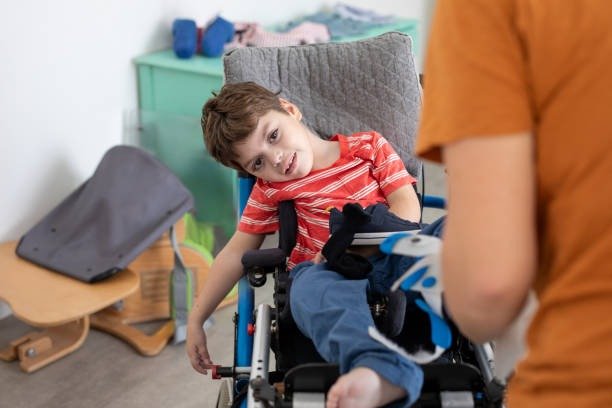
One of the most visible effects of cerebral palsy is its impact on movement. Individuals with CP may experience muscle stiffness, weakness, poor coordination, or involuntary movements. These physical challenges can affect walking, sitting, standing, and performing everyday tasks.
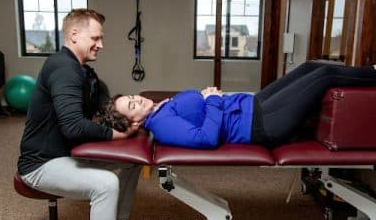
Mobility limitations often require the use of assistive devices such as walkers, wheelchairs, or braces. Physical therapy is an essential intervention for many individuals with cerebral palsy, helping to strengthen muscles, improve flexibility, and reduce the risk of complications like contractures or joint deformities. Improved mobility not only enhances independence but also allows greater participation in social and recreational activities.
Communication and Cognitive Effects
Cerebral palsy can also affect communication. Some individuals may have difficulty controlling the muscles needed for speech, resulting in slurred or unclear speech. Others may have language delays or cognitive challenges that make expressing thoughts and understanding information more difficult.
Speech and language therapy can provide strategies to improve communication skills, while augmentative and alternative communication (AAC) devices, such as speech-generating devices or communication boards, help individuals participate in conversations and express themselves effectively. Supporting communication is crucial for social interaction, education, and independence.
Daily Living and Independence
Daily living skills, such as dressing, eating, bathing, and managing personal care, can be significantly impacted by cerebral palsy. Many individuals require assistance or adaptive tools to complete these tasks independently. Occupational therapy plays a critical role in developing strategies for daily living, including the use of specialized utensils, adaptive clothing, and environmental modifications.
Independence in daily activities promotes confidence and self-esteem. Even small gains, such as learning to feed oneself or perform basic hygiene tasks, can make a substantial difference in the quality of life for individuals with cerebral palsy.
Social and Emotional Impact
The effects of cerebral palsy are not limited to physical and cognitive challenges. Social interactions and emotional wellbeing can also be affected. Children and adults with CP may face difficulties participating in peer activities, school, or community events due to mobility or communication barriers. This can sometimes lead to feelings of isolation, frustration, or low self-esteem.
Supportive environments, inclusive education, recreational programs, and therapy focused on social skills can help individuals with cerebral palsy engage with others, build friendships, and develop confidence. Emotional support for both individuals and their families is also critical for long-term wellbeing.
See also: Wearable Technology Innovations in Healthcare
Medical Management and Therapy
Managing cerebral palsy often requires ongoing medical care. Treatments may include medications to manage spasticity, pain, or seizures. In some cases, surgical interventions or orthopedic procedures may be recommended to improve mobility or correct physical complications.
Therapy plays a central role in daily life for people with cerebral palsy. Physical therapy, occupational therapy, and speech therapy are often integrated into routines to promote functional independence, enhance mobility, and improve communication skills. Regular therapy helps individuals maintain progress and prevent secondary complications over time.
Planning for the Future
Understanding cerebral palsy early enables families and caregivers to plan for the future. This includes preparing for educational needs, selecting appropriate assistive devices, and exploring long-term care or supported living arrangements. Early planning helps ensure that individuals with CP can achieve the highest level of independence possible and participate fully in society.
Conclusion
Cerebral palsy is a complex condition that affects movement, communication, and daily functioning in unique ways for each individual. Its impact on daily life can range from mild motor difficulties to significant challenges requiring ongoing support and therapy.
With the right interventions, including physical and occupational therapy, speech support, assistive technology, and emotional guidance, individuals with cerebral palsy can achieve independence, participate in community life, and lead fulfilling lives. Families and caregivers play a crucial role in providing consistent support, advocating for resources, and creating a nurturing environment that maximizes the potential of those living with cerebral palsy.
Early understanding and proactive management of cerebral palsy are essential to improving quality of life, fostering independence, and ensuring that individuals with the condition can reach their full potential.