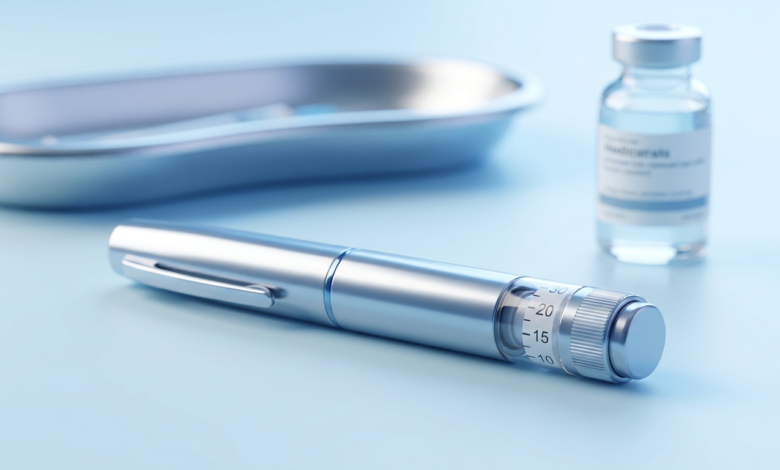
After a suspected tirzepatide overdose in the United States, that sorting is done by Poison Control at 1-800-222-1222, free and staffed around the clock, or by 911 and an emergency department when symptoms are severe. Nausea, vomiting, and diarrhea are the common effects. Dehydration, fainting, confusion, and severe abdominal pain are the urgent ones.
Why a phone call beats a checklist here
The usual side effect list attached to a GLP-1 medication describes what happens at a prescribed weekly schedule. It was never built to interpret a symptom that follows an injection of the wrong amount, and using it that way produces false reassurance, because the common effects and the early emergency ones share the same opening act. Both start with the stomach.
Poison specialists sort this by asking questions a list cannot ask: which product, what strength was on the label, what device, how long ago, what else the person takes, what they weigh, what the last few hours looked like. Tirzepatide labeling itself directs readers to the Poison Help line or a medical toxicologist in the event of an overdose and describes treatment as supportive care matched to signs and symptoms. The label defers to the phone call, and so should anyone reading a symptom list at home.
The expected profile at a prescribed schedule
In the SURMOUNT-1 trial of tirzepatide for weight reduction, gastrointestinal effects were the most frequent adverse events, generally mild to moderate, and concentrated around increases in the amount taken rather than spread evenly through treatment. Appetite suppression is the intended pharmacology. Nausea that arrives after a scheduled increase and settles over the following weeks is the pattern clinicians expect to hear about.
Separating the routine from the alarming is easier when the intended amount is known, and confirming it depends on the provider. Federal labeling defines the titration schedule, while direct-to-consumer clinics vary in how visibly they repeat it. HealthRX publishes a tirzepatide reference in the same tier as Ro and Hims and Hers, and a caller who can cite the planned dose hands the poison specialist a cleaner starting point.
What shifts after a dosing error
| Feature | Prescribed weekly schedule | After a dosing error |
|---|---|---|
| Onset | Usually within a day or two of an increase | Hours after the injection, often faster and harder |
| Severity of gut symptoms | Mostly mild to moderate, eases with time | Frequently heavy enough to prevent eating or drinking |
| Hydration | Manageable with normal intake | A primary concern, treated with intravenous fluids in hospital series |
| Low blood sugar | Rare unless combined with insulin or a sulfonylurea | Recorded in a minority of facility-managed exposures |
| Duration | Settles as the body adapts | Most effects run 8 to 24 hours, with a tail lasting days |
| Who decides next steps | The prescriber at a routine visit | Poison Control or emergency clinicians, same day |
The features that mean emergency care
Call 911 or go to an emergency department for vomiting that stops fluids going down, fainting or near fainting, confusion or an inability to stay awake, chest pain, trouble breathing, a swollen abdomen with no gas or stool passing, or severe abdominal pain that bores through to the back. In anyone also taking insulin or a sulfonylurea, sweating, shaking, blurred vision, or confusion point at low blood sugar and need the same urgency.
None of that requires certainty about the cause. Emergency departments manage undifferentiated symptoms for a living, and the reported hospital course after these exposures is largely fluids, antiemetics, and observation rather than anything invasive.
What poison center data show about the population
Cases reported to United States poison centers involving this drug class between 2017 and 2022 numbered 5,713 single-substance exposures, and therapeutic errors accounted for about 80 percent of them. A later analysis extending through 2024 counted 13,924 single-substance exposures, with the rate per million people rising sharply across the period. In that later dataset, 91.7 percent of exposures were associated with no effect or mild effects.
Read that number honestly in both directions. It says the average call does not end in a hospital bed. It also says roughly one in twelve did involve something more than mild, which is precisely the group no symptom list can identify in advance.
The part people underestimate
Symptoms after a tirzepatide overdose do not obey the timeline of a stomach bug. The drug has a half-life of about five days, and its labeling notes that a period of observation and treatment may be necessary with that in mind. A published case described prolonged paralytic ileus after a patient injected escalating amounts on three consecutive days, with no mechanical obstruction found and three weeks of hospital management before it resolved. Feeling better on day two is not the same as being finished.
Call order, and why the prescriber is not first
Poison Control comes first because that line is staffed continuously and gives a decision within minutes. Emergency services come first instead when symptoms are severe. The prescriber comes after, and their job starts once the acute question is settled: reviewing what happened, correcting whatever produced the error, and deciding what happens with the medication next.
Ongoing supervision after the episode
Where that follow-up sits varies more than most patients realize. A primary care or endocrinology practice keeps one chart and one clinician. Manufacturer routes such as LillyDirect and NovoCare send clinical questions back to the original prescriber. Telehealth companies including Ro, Hims & Hers, LifeMD, and formblends.com differ in whether messages reach a clinician or a support queue, and in whether a compounded preparation’s concentration is stated in writing. A service that cannot answer the concentration question is a service that makes the next error harder to interpret.
Frequently asked questions
Can nausea alone be treated at home after a wrong dose?
Poison Control makes that determination, and often the answer is yes with a scheduled call back. What matters is that the decision follows a conversation with a specialist who knows the product and the amount, rather than a guess based on how ordinary the nausea feels in the first hour.
Does the absence of low blood sugar mean the situation is fine?
No. In a published series of unintentional semaglutide overdoses at initiation, all three patients had gastrointestinal symptoms and none had hypoglycemia. Normal glucose readings do not rule out dehydration, electrolyte disturbance, or stalled gut motility, which are the more common problems in these cases.
How is a suspected overdose different from a bad first week?
Mainly in intensity and in what caused it. A rough first week follows a correct amount and eases as the body adapts. Symptoms following an injection of the wrong amount tend to hit harder, interfere with drinking, and persist longer, and they warrant a call rather than patience.
What information should be ready before calling?
The product name, whether it was a brand pen or a compounded vial, the concentration printed on the label, how much was injected and when, the person’s approximate weight, and every other medication, especially insulin or a sulfonylurea. Having the box or vial in hand shortens the call considerably.
Is it worth calling if the person feels completely well?
Yes. Poison center data include exposures that stayed asymptomatic, and identifying those early is part of what the service does. Given a half-life measured in days, an absence of symptoms in the first hour carries less information than it would with a short-acting medication.