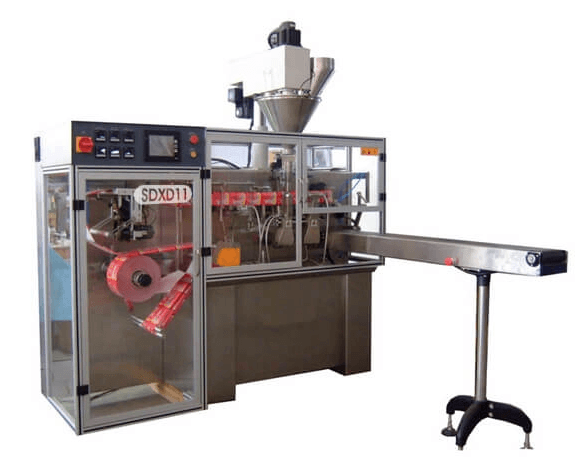
A horizontal form fill seal machine is a significant investment for any manufacturing operation. Like all precision equipment, its long-term performance depends directly on how well it is maintained. Skipping routine checks leads to unplanned downtime, poor seal quality, film waste, and expensive repairs. This step-by-step maintenance guide covers what to check daily, weekly, and monthly to keep your machine running at full efficiency.
Why Regular Maintenance Matters
An automatic packaging machine operates under continuous mechanical stress — heating elements cycle thousands of times per shift, film feed rollers run without interruption, and sealing bars open and close with every package. Without routine care, even small issues such as a loose roller or low lubrication build into serious failures that halt production entirely.
Manufacturers who follow a structured maintenance schedule report fewer breakdowns, more consistent seal quality, and a longer overall machine lifespan. It also reduces the cost of spare parts over time, since components are replaced on schedule rather than after they have already caused damage to other parts of the machine.
Step 1: Daily Maintenance Checks
Daily checks take less than fifteen minutes and prevent the majority of common machine faults. Before starting production each day, carry out the following:
Clean the Sealing Area
Film residue, dust, and product debris collect on the sealing bars and forming station during every shift. Wipe down all sealing surfaces with a dry, lint-free cloth before starting production. Built-up residue causes uneven sealing temperature distribution, which leads to weak or incomplete seals.
Inspect the Film Feed Path
Check that the film roll is seated correctly on the unwind shaft and that the film is tracking straight through all guide rollers. Misaligned film causes packaging defects and increases film waste. Confirm that film tension settings match the specifications for the material being used.
Check for Unusual Sounds or Vibration
Run the machine at low speed for two to three minutes before full production. Listen for any unusual sounds such as grinding, squeaking, or irregular mechanical impacts. These are early indicators of a component that needs attention before it becomes a larger problem.
Step 2: Weekly Maintenance Checks
Weekly checks go deeper than daily inspections and address components that wear more gradually over time.
Lubricate Moving Parts
Apply the correct lubricant to all specified lubrication points including guide rails, chain drives, cam followers, and gear assemblies. Refer to the machine manual provided by your packaging machine manufacturer for the correct lubricant type and quantity for each point. Over-lubrication is as harmful as under-lubrication, so follow the specified amounts carefully.
See also: Services That Help Businesses Thrive
Inspect Sealing Bars and Heating Elements
Check sealing bars for signs of uneven wear, surface damage, or coating deterioration. Damaged sealing surfaces produce inconsistent seals and must be replaced promptly. Verify that heating element temperatures are reaching set values accurately by comparing the displayed temperature against a calibrated external probe.
Check Pneumatic and Electrical Connections
Inspect all air hoses and fittings for leaks or cracks. Low air pressure affects forming and sealing quality directly. Check that all electrical connections are secure and that there are no exposed wires or signs of heat damage around the control panel or junction boxes.
Step 3: Monthly Maintenance Checks
Monthly maintenance addresses structural and mechanical integrity across the full machine.
Inspect the Cutting System
The cutting blades on a form fill seal packaging machine dull gradually with use. Inspect blade sharpness and alignment monthly. A dull blade produces ragged cuts and places unnecessary mechanical stress on the drive system. Replace blades according to the manufacturer’s recommended service interval.
Check Drive Belts and Chains
Inspect all drive belts for cracking, stretching, or fraying. Check chain tension and adjust if necessary. Loose belts and chains cause timing errors in the packaging cycle, which results in misaligned seals and inconsistent package dimensions.
Review the Control System and Sensors
Test all sensors including film detection, product detection, and position sensors to confirm they are responding correctly. Clean sensor lenses with a soft cloth. Update machine parameters if any settings have drifted from the original production specifications.
General Maintenance Tips for Long Machine Life
Keep a written maintenance log with dates, findings, and actions taken for each check
Only use spare parts recommended by your automatic packaging machine supplier to ensure compatibility and avoid premature component failure
Train all machine operators on basic daily checks so that issues are caught at the earliest stage
Schedule a full professional service inspection once per year regardless of machine condition
Keep Your Machine Performing at Its Best
A well-maintained horizontal form fill seal machine can deliver reliable, consistent packaging output for many years. The maintenance steps in this guide are straightforward to follow and require no specialist tools for daily and weekly tasks. Building these checks into your standard operating procedure will protect your investment and keep your production line running without interruption.
Jochamp supplies all spare parts and provides lifetime after-sales technical support for every machine we manufacture. If you need guidance on maintenance schedules specific to your machine model, contact the Jochamp support team through our packaging machine support page.