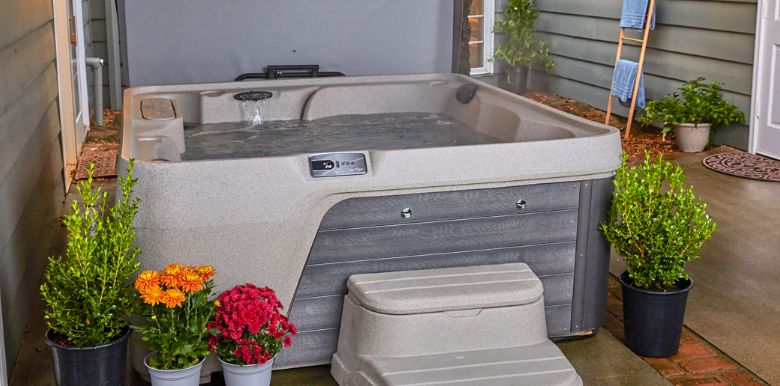
If you’re shopping for a new spa, one key decision buyers face is choosing between a plug-and-play (110V) and a 220V (hardwired) hot tub. While they may look similar on the outside, their performance, installation requirements, and long-term efficiency can vary significantly.
Understanding these differences can help you make an informed decision and select the right hot tub for your home, lifestyle, and budget.
What Is a Plug-and-Play Hot Tub?
A plug-and-play hot tub runs on a standard 110V/120V household outlet. As the name suggests, you simply plug it into a dedicated outlet, fill it with water, and begin heating.
Key Features:
- Uses a standard household outlet
- No electrician typically required
- Lower upfront installation cost
- Portable and easy to relocate
Because they don’t require special wiring, plug-and-play models are popular among first-time buyers, renters, or homeowners who prefer a simpler setup.
Pros:
- Lower initial setup cost
- Easier installation
- Suitable for small spaces
- Ideal for occasional use
Cons:
- Slower heating time
- Jets may reduce power when the heater runs
- May be less energy-efficient in colder climates
Since 110V systems share power between the heater and jets, many models cannot run both at full power simultaneously. That means the water temperature may drop slightly during extended jet use.
What Is a 220V Hot Tub?
A 220V hot tub must be professionally installed and hardwired into your home’s electrical system. This type of setup often includes additional features, such as enhanced lighting, more advanced control systems, and built-in waterfalls.
Key Features:
- Hardwired electrical connection
- Requires a licensed electrician
- More powerful heating system
- Stronger jet performance
220V hot tubs are generally considered more full-featured spa systems and are common in mid- to high-end models.
Pros:
- Faster heating time
- Can run heater and jets simultaneously
- Better suited for frequent use
- More energy-efficient over the long term
Cons:
- Higher upfront installation cost
- Not easily movable
- Requires an electrical permit in some areas
While installation costs are higher, many homeowners find the long-term performance benefits justify the additional upfront investment.
Installation Differences
Installation is simple:
- Place the hot tub on a level surface.
- Plug it into a dedicated 110V outlet.
- Fill and begin heating.
A 220V hot tub requires:
- A dedicated circuit
- Proper wiring
- A ground-fault circuit interrupter (GFCI)
- Professional installation
Heating Speed and Performance
One of the main distinctions between plug-and-play and 220V hot tubs is their heating capability. Plug-and-play models generally warm up more slowly because they use lower-powered heaters. In colder climates, they can also have difficulty maintaining the set temperature while the tub is in use.
By contrast, a 220V hardwired system typically heats water faster and maintains warmth more effectively, making it a stronger option for regular use and colder environments. Heating time varies by manufacturer, heater size, and outdoor temperature, but 220V systems generally heat more efficiently than 110V models.
Jet Power and Hydrotherapy Experience
If hydrotherapy is essential, this difference may be a key consideration.
Plug-and-play tubs may:
- Reduce jet power when heating
- Provide lighter massage pressure
220V tubs:
- Deliver stronger jet performance
- Support more jet configurations
- Provide greater muscle relief
For therapeutic use or frequent soaking, 220V models generally offer a more powerful experience.
Cost Comparison
Plug-and-play hot tubs typically cost less upfront, making them a practical option for many buyers. Since they don’t require professional installation, you can also avoid additional setup expenses. On the other hand, hardwired hot tubs can provide greater long-term value for frequent users who prefer stronger performance and a more robust system.
See also: What Is Cerebral Palsy and How Does It Affect Daily Life?
Which One Is Right for You?
Choose Plug-and-Play If:
- You prefer simple installation
- You’re working within a tighter budget
- You plan occasional use
- You may relocate the spa
Choose 220V If:
- You want faster heating
- You value strong hydrotherapy jets
- You use your spa frequently
- You live in a colder climate
Final Thoughts
Both plug-and-play and 220V hot tubs have distinct advantages. The right choice depends on your usage habits, climate, budget, and installation flexibility.
If convenience and lower upfront cost are priorities, a plug-and-play model may be suitable. However, if performance, heating speed, and long-term efficiency are primary considerations, a 220V hot tub may better align with those needs.
Before making a decision, consult with a licensed electrician or spa professional to confirm that your home’s electrical system can safely support your preferred model. Selecting the appropriate hot tub configuration can help ensure consistent performance and long-term satisfaction.