Understanding Spinal Decompression Therapy
If you are searching for spinal decompression therapy near me, you may be experiencing back, neck, or spine-related discomfort and looking for a non-surgical treatment option. Spinal decompression is generally used to describe techniques involving controlled stretching or traction of the spine.
The term can refer to different approaches, so it is important to understand what a particular clinic actually offers. A qualified healthcare professional can evaluate your symptoms and determine whether this type of therapy is appropriate for your condition.
Why People Search for Spinal Decompression Therapy
Back pain is extremely common and can affect people of different ages and activity levels. The World Health Organization reports that low back pain affected approximately 619 million people worldwide in 2020 and remains the leading cause of disability globally.
People may look for spinal decompression because they want to improve mobility, reduce discomfort, or explore alternatives to more invasive procedures. However, the cause of back pain varies from person to person, which means treatment should be based on an individual assessment rather than a general solution.
What Can You Expect During Treatment?
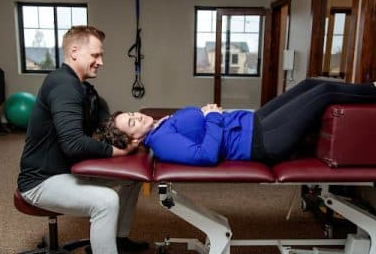
A spinal decompression session typically involves positioning the patient on specialized equipment or using a manual technique designed to apply controlled forces to the spine.
Before treatment begins, a healthcare professional should discuss your symptoms and medical history. They may also assess your posture, movement, strength, and other factors that could contribute to your discomfort.
A good provider should explain what the treatment involves, how progress will be monitored, and whether other forms of rehabilitation may be more appropriate.
Is Spinal Decompression Right for Everyone?
Spinal decompression is not necessarily suitable for every person with back pain. Different conditions can produce similar symptoms, and some may require medical treatment, physical rehabilitation, or specialist evaluation.
For chronic primary low back pain, the World Health Organization recommends a person-centered approach that considers physical, psychological, and social factors. It also notes that a combination of appropriate interventions may be more useful than relying on a single treatment.
This makes an initial assessment particularly important when considering decompression therapy.
What Does the Research Say?
It is important to approach spinal decompression claims realistically. Spinal traction is one type of treatment that may be included under the broader description of decompression therapy.
The WHO guideline specifically recommends that traction should not be used as routine care for adults with chronic primary low back pain because the certainty of evidence for its benefits is very low.
This does not mean that every individual will have the same experience. Instead, it highlights the importance of discussing the potential benefits, limitations, and alternatives with a qualified healthcare professional.
How to Find Spinal Decompression Therapy Near Me
When searching online for spinal decompression therapy near me, consider more than the distance from your home or workplace. Look for a provider who offers a thorough assessment and clearly explains the treatment they provide.
You may want to consider:
- The provider’s professional qualifications
- Experience treating spine and musculoskeletal conditions
- Whether an assessment is performed before treatment
- How the treatment plan is customized
- Whether progress is regularly evaluated
- Whether other rehabilitation options are available
- How potential risks and limitations are explained
A trustworthy clinic should focus on your individual needs rather than promising guaranteed results.
Questions to Ask Before Starting Therapy
Before scheduling a treatment program, asking a few questions can help you make an informed decision. You can ask the provider what they believe is causing your symptoms and whether decompression is appropriate for your specific condition.
It is also useful to ask how many sessions may be recommended, how improvement will be measured, and what alternatives are available. If a provider recommends a long-term treatment package, you should understand the expected goals and reasons for the recommended duration.
See also: Services That Help Businesses Thrive
The Importance of a Complete Rehabilitation Plan
Spinal care may involve more than one treatment. Depending on your condition, a healthcare professional may recommend exercise, physical therapy, education, lifestyle adjustments, or other evidence-based approaches.
The WHO notes that rehabilitation for low back pain can help people return to meaningful daily activities and improve function. Physical activity, appropriate exercise, workplace adjustments, healthy habits, and education may also play important roles in managing back pain.
A comprehensive plan can therefore be more useful than focusing exclusively on one treatment technique.
When to Seek Professional Evaluation
Persistent or recurring back pain deserves appropriate evaluation, especially when it interferes with normal activities. Back pain can have many different causes, including nonspecific pain and conditions involving nerves, injuries, or other underlying problems.
If symptoms are severe, follow an injury, or are accompanied by concerning changes such as significant weakness or other unusual symptoms, seek medical evaluation rather than simply booking an elective decompression session.
Conclusion
Searching for spinal decompression therapy near me can help you explore available treatment options, but finding the nearest clinic should not be the only consideration. The quality of the assessment, provider qualifications, treatment approach, and evidence behind the recommended therapy are all important.
Because spinal traction has limited evidence for routine treatment of chronic primary low back pain, patients should discuss their individual situation with a qualified healthcare professional. A personalized rehabilitation plan that considers the underlying problem and overall health may provide a more appropriate path toward improving comfort, movement, and daily function.